
Why Miami Has Serious Termite Pressure
Climate and Geography Create Perfect Conditions
Miami sits in one of the most termite active regions in the United States. Our combination of year round warmth, high humidity, frequent rainfall, and abundant vegetation provides everything termites need to thrive. Unlike northern states where cold winters suppress termite activity, Miami's climate allows colonies to grow continuously without seasonal interruption.
The result is higher termite pressure on local properties. Homes across Miami-Dade County face threats from multiple termite species simultaneously. A single property might have drywood termites in the attic, subterranean termites attacking from below, and Formosan colonies nearby ready to swarm. This diversity requires knowledge of each species and their specific behaviors.
Florida Termite Guys has served the Miami area for over 15 years. We understand the local termite landscape intimately, from the species common in Coral Gables to the specific challenges facing properties in Kendall, Miami Beach, and throughout the county. This guide shares our regional knowledge to help Miami homeowners protect their properties.

77°F
Avg Temperature
62"
Annual Rainfall
3+
Active Species
Termite Species Active in Miami
Know what you are dealing with
Three major termite types cause problems for Miami homeowners. Each has distinct behaviors, damage patterns, and treatment requirements.
Drywood Termites
Drywood termites are the most common species in Miami homes. They live entirely within wood without needing soil contact, making them perfectly suited to attics, door frames, furniture, and any wooden structure. Miami's older neighborhoods like Coral Gables, Coconut Grove, and Little Havana see heavy drywood activity due to mature wood construction. Signs include small piles of fecal pellets called frass and hollow sounding wood.
Eastern Subterranean Termites
These ground dwelling termites build colonies in soil and construct mud tubes to reach wood above ground. Miami's sandy soils and frequent rain create ideal conditions. Properties in areas like Kendall, Pinecrest, and South Miami often face subterranean pressure, especially homes with slab foundations where small cracks provide entry points. Mud tubes on foundations are the telltale sign.
Formosan Subterranean Termites
Formosan termites are an invasive species that has established significant populations in South Florida. Often called super termites, they form enormous colonies with millions of individuals and cause damage faster than native species. Formosans can also build above ground nests called cartons if moisture is available, making them particularly aggressive. Swarming Formosans are larger and yellower than native subterraneans.
Miami Risk Factors for Termite Infestation
Local conditions that increase termite vulnerability
Year Round Activity
Miami never gets cold enough to slow termite activity. Colonies grow continuously, meaning infestations progress faster than in seasonal climates.
High Humidity
Miami's humidity provides the moisture termites need to survive. Even drywood species thrive in our consistently humid environment.
Mature Vegetation
Established neighborhoods have mature trees and landscaping that can harbor termite colonies close to homes. Palm trees and hardwoods are common hosts.
Historic Construction
Miami's older homes often feature wood framing, wood siding, and construction methods that create termite vulnerabilities uncommon in newer builds.
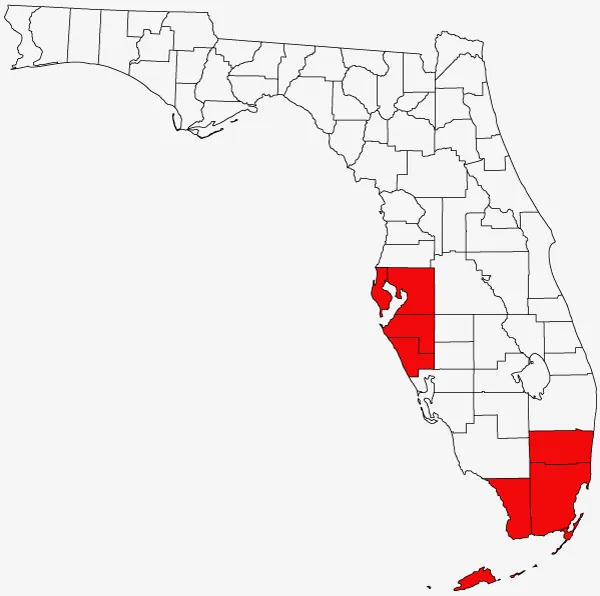
We serve all of Miami-Dade County including Miami, Miami Beach, Coral Gables, Kendall, Homestead, and surrounding communities.
Termite Activity by Miami Neighborhood
Different areas of Miami face varying termite pressures based on local conditions, construction history, and vegetation.
Coral Gables and Coconut Grove
These historic neighborhoods feature older homes with significant wood construction. Drywood termites are particularly common in these areas. The mature tree canopy also supports subterranean populations. Regular inspections are essential for properties here.
Kendall and Pinecrest
Suburban development on formerly agricultural land means subterranean termites are well established. Slab foundations common in these areas require careful monitoring for mud tubes and foundation cracks. Irrigation systems can also attract moisture seeking termites.
Miami Beach and Barrier Islands
High humidity and salt air create unique conditions. Drywood termites dominate, but the humid environment accelerates their activity. Condo buildings and multi family structures require coordinated treatment approaches when infestations span multiple units.
Homestead and South Miami-Dade
Agricultural areas and newer development coexist here. Properties near farms or nurseries face higher termite pressure from surrounding vegetation. Formosan termites have been documented in this area and represent a growing concern.
When Miami Termites Swarm
Swarming seasons by species
Miami Termite Inspection
Our technicians know Miami termite conditions intimately. We identify species, assess damage, and recommend treatments specific to your property and neighborhood.
Termite Treatment Options for Miami Homes
Effective treatment depends on termite species, infestation extent, and your home's construction. Miami properties often benefit from our tentless approach.
Tentless Treatment for Drywood Termites
Florida Termite Guys specializes in tentless treatment, injecting professional products directly into infested wood. This method eliminates drywood colonies without requiring you to leave your home, remove food, or relocate pets. For most Miami drywood infestations, tentless treatment is the most practical and effective option.
Soil Treatment for Subterranean Termites
Subterranean termites require treatment targeting their ground colonies. We apply liquid termiticides around foundations to create barriers that eliminate termites as they attempt to reach your home. Trench and treat methods address active infestations while providing ongoing protection.
Fumigation When Necessary
Severe whole structure drywood infestations may require tent fumigation. While our tentless methods handle most situations, we honestly assess when fumigation is the better choice. We provide fumigation services with full preparation guidance and scheduling coordination.
Miami Termite Questions
Local answers for local concerns
What Miami Homeowners Say
Local results from your neighbors
Found frass in our 1940s home and called Florida Termite Guys immediately. They explained exactly what we were dealing with and treated without tenting. Professional service from start to finish.
Roberto M.
Verified Customer
We had subterranean termites coming up through our slab. The team explained the soil treatment process clearly and completed everything in one day. No more mud tubes.
Jennifer K.
Verified Customer
Living in a humid condo building means constant termite risk. Florida Termite Guys treats our unit annually. They coordinate with building management when needed. Excellent local knowledge.
David L.
Verified Customer
Miami Termite Experts Ready to Help
With over 15 years protecting Miami homes, Florida Termite Guys understands local termite challenges. Schedule your free inspection and learn how to protect your property.