Florida Termites Are a Year-Round Threat
Understanding the right treatment starts with identifying the species
Florida's warm climate and high humidity allow termites to remain active throughout the year. Unlike northern states where winter slows termite activity, Florida homeowners face constant pressure from drywood and subterranean termite species.
The first step to eliminating termites in Florida is identifying the species and understanding their behavior. Drywood termites live inside wood and often require localized treatment or fumigation. Subterranean termites nest in soil and require soil treatment to eliminate colonies and create protective barriers.
This guide explains how to identify each type, which treatments work best, and when full-structure fumigation is the right choice. For a definitive plan, schedule a professional inspection. The right treatment depends on your home and the extent of the infestation.
Florida
Expertise
Accurate
Identification
Proven
Treatment
Step 1: Identify the Termite Type
Drywood vs subterranean termites
Treatment depends on which termites you have. These are the key differences.
Drywood Termites
Drywood termites live inside wood and do not need soil contact. They often leave small pellets called frass near windows and baseboards. Colonies can be scattered throughout a structure.
Subterranean Termites
Subterranean termites nest in soil and build mud tubes to reach wood in your home. They require soil treatment and are common across Florida, including the destructive Formosan species.
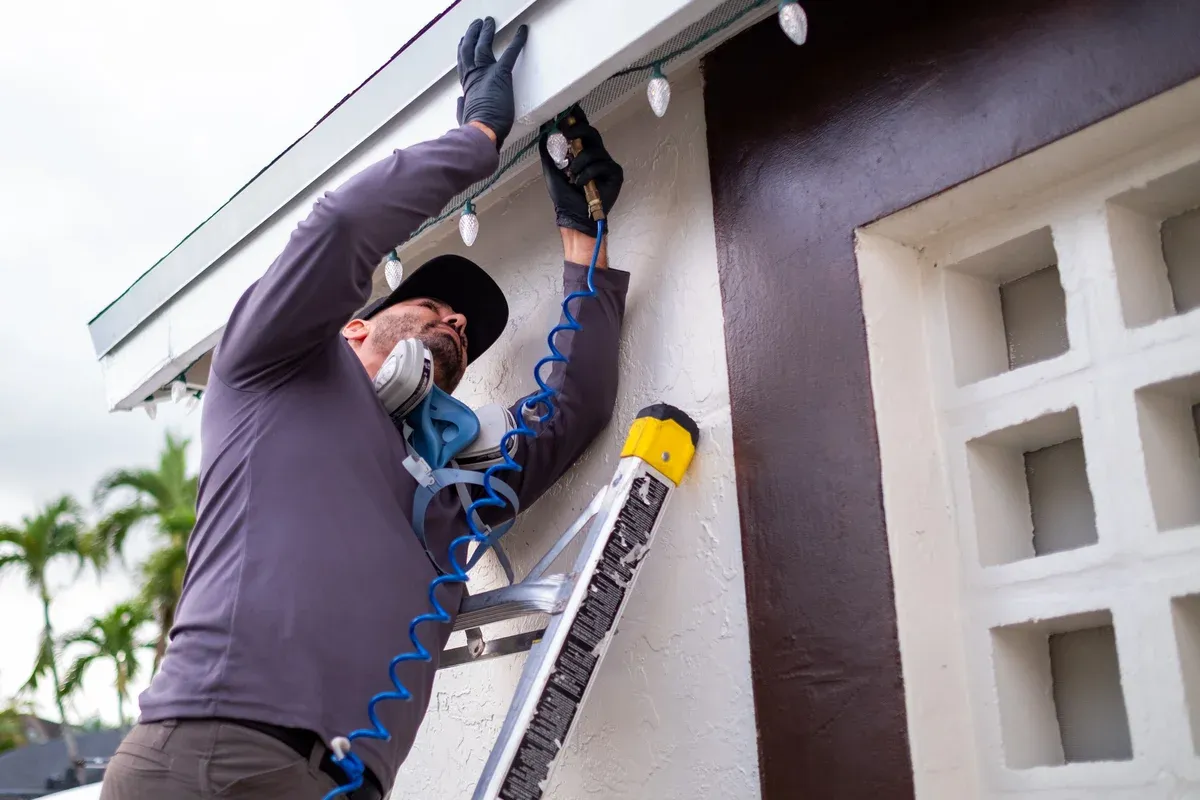
Correct identification ensures the right treatment strategy.
Step 2: Choose the Right Treatment
Matching method to infestation
Florida termite treatment typically falls into three categories.
Tentless Treatment
For accessible drywood colonies, direct injection and foam treatments can eliminate termites without tenting. This is less disruptive and often effective for moderate infestations.
Fumigation
For severe or widespread drywood activity, fumigation is the most reliable option. It treats the entire structure and reaches colonies in hidden areas.
Soil Treatment
Subterranean termites require soil treatment to eliminate colonies and create a protective barrier around the home.
When Fumigation Is Necessary
Clear indicators for full-structure treatment
Multiple Rooms Affected
Termite activity in several rooms or floors indicates widespread colonies.
Hidden Colony Locations
Inaccessible wall voids and attic framing can hide colonies that injection cannot reach.
Recurring Infestation
Termites that return after spot treatment often require fumigation for complete elimination.
Real Estate Requirements
Some transactions require fumigation documentation to proceed.
Step 3: Protect Your Home Long-Term
Prevention after treatment
Annual Inspections
Florida termites are persistent. Annual inspections catch new activity early.
Moisture Management
Fix leaks and reduce wood moisture to make your home less attractive to termites.
Maintain Barriers
Keep soil treatments active and monitor for mud tubes on foundations.
Act Quickly
Address new signs of termites immediately to avoid structural damage.
Florida Termite Removal FAQ
Answers for Florida homeowners
Get Expert Help for Florida Termites
Schedule a free inspection and get a treatment plan tailored to your property.