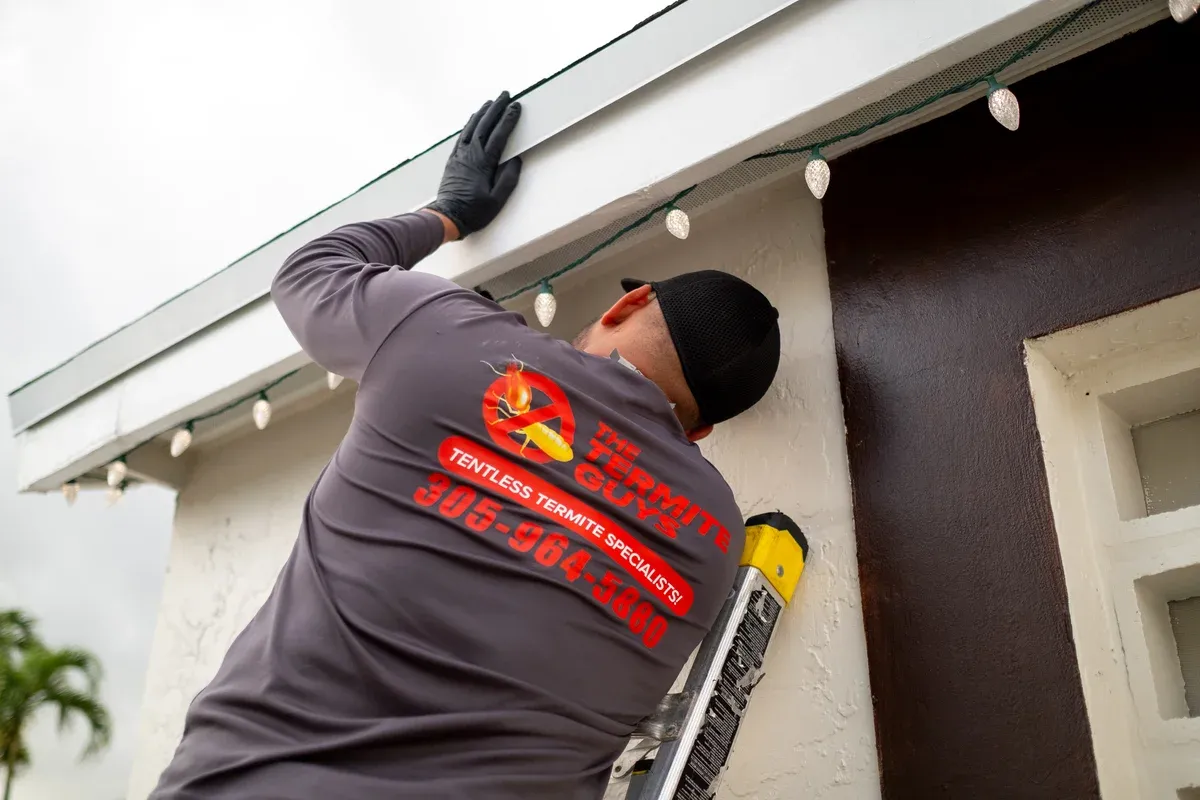
Every Florida homeowner should perform regular termite checks between professional inspections. This homeowner termite checklist guides you through the essential inspection points, prevention measures, and warning signs that indicate it is time to call for help. Print this guide or bookmark it for your quarterly home maintenance routine.
Before You Start: What You Need
Gather these items before beginning your termite inspection:
- Flashlight with strong beam
- Flathead screwdriver for probing wood
- Small mirror for viewing tight spaces
- Notepad to document findings
- Camera or phone for photos
- Protective gloves
- Old clothes you do not mind getting dirty
Plan for 45 minutes to an hour for a thorough inspection. Early morning or late afternoon lighting helps spot mud tubes on exterior walls.
Exterior Inspection Checklist
Start outside and work your way around your entire home.
Foundation Walls
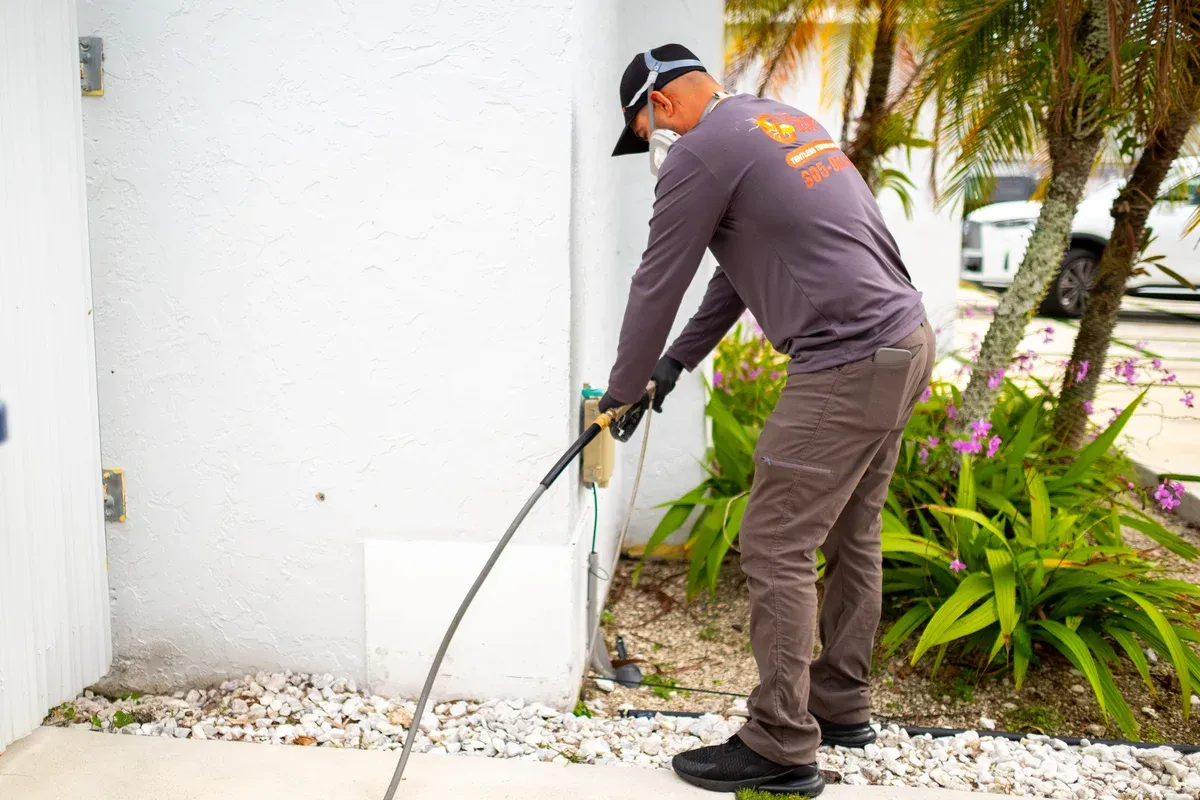
- Check all visible foundation surfaces for mud tubes
- Look for tubes running from soil up toward wood elements
- Inspect expansion joints and cracks for termite activity
- Examine areas where concrete meets stucco or siding
- Note any damaged or deteriorating foundation coating
Mud tubes appear as pencil-width tunnels made of soil and termite secretions. They may run vertically up walls or horizontally along surfaces. Fresh tubes look moist while abandoned tubes appear dry and crumbly.
Wood-to-Ground Contact Points
- Verify no wood touches soil directly
- Check fence posts where they meet the ground
- Inspect deck posts and stair stringers
- Examine door frames that extend to ground level
- Look at wood siding near grade level
Wood-to-soil contact provides termites direct access to your home without building visible mud tubes. Eliminate these pathways wherever possible.
Exterior Wood Elements
- Probe window frames with screwdriver
- Check door frames for soft or hollow spots
- Inspect fascia boards along roofline
- Examine soffit panels and connections
- Look at trim pieces around garage doors
- Check any exterior wood decorative elements
Damaged wood feels soft when probed and may sound hollow when tapped. Termite-damaged wood often crumbles or reveals internal galleries when the surface is broken.
Landscaping and Yard
- Check mulch depth near foundation (keep under 2 inches)
- Verify 6-inch clearance between mulch and siding
- Inspect tree stumps for termite activity
- Examine wooden landscape borders
- Look at firewood storage (keep 20+ feet from home)
- Check outdoor furniture made of wood
Heavy mulch against your foundation creates moisture that attracts termites and hides their activity. Pull mulch back to create a visible inspection zone.
Drainage and Moisture
- Confirm gutters direct water away from foundation
- Check downspout extensions reach at least 3 feet out
- Look for standing water near foundation after rain
- Verify soil slopes away from your home
- Inspect air conditioning drip lines and condensation
Moisture attracts subterranean termites. Proper drainage reduces your home’s appeal to these destructive pests.
Interior Inspection Checklist
Move inside to check commonly affected areas.

Garage
- Inspect where garage framing meets the slab
- Check door frames leading into the house
- Examine any stored cardboard boxes for damage
- Look at overhead storage areas if present
- Probe any exposed wood framing
Garages often show termite activity first because they connect directly to the slab foundation.
Bathrooms and Kitchen
- Check under sinks for moisture and wood damage
- Inspect base cabinets for soft spots
- Examine areas around toilets where floor meets walls
- Look behind and beside appliances if accessible
- Check window sills in these high-moisture rooms
Plumbing areas combine moisture with wood, creating prime termite targets.
Living Areas
- Tap baseboards and listen for hollow sounds
- Check window frames from inside
- Examine door frames, especially near floor level
- Look at crown molding for damage or frass
- Inspect hardwood flooring for buckling or soft spots
Attic Space
- Bring strong flashlight for thorough examination
- Check all visible wood framing members
- Look for drywood termite frass (small pellets)
- Inspect where rafters meet top plates
- Examine any stored items for damage
- Look at attic vents for entry points
Drywood termites often establish colonies in attic spaces. Frass looks like tiny wood-colored pellets, often found in small piles below infested wood.
Crawl Space (if applicable)
- Check floor joists for mud tubes or damage
- Examine support posts and piers
- Look for standing water or excessive moisture
- Inspect any wood touching or near soil
- Note any foam insulation damage
Crawl spaces require careful inspection due to their proximity to soil and typically higher moisture levels.
Warning Signs That Demand Attention
Stop your inspection and call a professional immediately if you find:

Definite Termite Evidence
- Live termites in any location
- Fresh mud tubes (moist, intact)
- Swarmer termites indoors
- Piles of discarded wings near windows or doors
- Active frass accumulation below wood surfaces
Probable Termite Damage
- Hollow-sounding structural wood
- Wood that crumbles when probed
- Visible galleries in broken wood
- Bubbling or peeling paint with no water source
- Sagging floors or ceilings
Conditions Requiring Professional Assessment
- Old mud tubes of unknown age
- Unexplained wood damage
- Previous termite history at this property
- Neighboring homes with termite issues
Prevention Checklist
Complete these tasks to reduce termite risk.
Monthly Tasks
- Check for new moisture issues around home
- Look for mud tubes during yard work
- Remove any fallen tree limbs from property
- Ensure no wood debris accumulates near foundation
Quarterly Tasks
- Complete full exterior inspection
- Check interior high-risk areas
- Verify drainage systems function properly
- Trim vegetation 12+ inches from exterior walls
Annual Tasks
- Schedule professional termite inspection
- Clean gutters and check for damage
- Inspect and seal any new cracks in foundation
- Review termite warranty coverage if applicable
- Check weather stripping and exterior seals
As-Needed Tasks
- Fix plumbing leaks within 24 hours
- Repair damaged screens on attic vents
- Replace water-damaged wood promptly
- Address any new wood-to-soil contact
Moisture Control Checklist
Reducing moisture makes your home less attractive to termites.
Inside Your Home
- Run bathroom exhaust fans during and after showers
- Use kitchen exhaust when cooking
- Fix dripping faucets and running toilets
- Repair any pipe leaks immediately
- Maintain air conditioning to control humidity
- Use dehumidifier in damp areas if needed
Outside Your Home
- Grade soil to slope away from foundation
- Extend downspouts at least 3 feet from foundation
- Repair leaking outdoor faucets
- Redirect AC condensate away from foundation
- Improve ventilation in crawl spaces
- Keep sprinklers from wetting foundation walls
Documentation Tips
Good records help track changes and assist professionals.
What to Document
- Date and conditions of each inspection
- Locations of any concerning findings
- Photos of potential damage or suspicious areas
- History of moisture problems
- Previous treatment dates and types
- Warranty information and expiration dates
How to Organize
Create a home maintenance folder (physical or digital) with sections for:
- Inspection notes and dates
- Professional inspection reports
- Treatment records and warranties
- Photos organized by date and location
- Receipts for related repairs
When DIY Inspection Is Not Enough
Your checklist inspections provide valuable monitoring between professional visits, but they cannot replace expert assessment.
Schedule Professional Inspection When
- You find any definite termite evidence
- More than 12 months have passed since last professional inspection
- You are buying or selling your home
- You notice unexplained damage to wood
- Neighbors report termite problems
- Your home has previous termite history
What Professionals Provide
Licensed inspectors bring:
- Training to identify subtle signs you might miss
- Tools to access difficult areas
- Knowledge of local termite behavior patterns
- Official documentation for real estate transactions
- Treatment recommendations based on findings
Your Next Steps
Use this checklist quarterly to monitor your home between professional inspections. Document everything you find and do not hesitate to call for help when something concerns you.
Florida Termite Guys offers comprehensive inspections throughout South Florida. Our licensed technicians examine areas homeowners cannot safely access and use their expertise to catch problems early.
Schedule your professional inspection today. We will review your findings, examine your entire property, and provide honest recommendations for protecting your home. Our inspections include detailed written reports documenting conditions and any evidence found.
Do not wait until termites cause serious damage. Early detection saves thousands in repair costs and protects your family’s largest investment.
Related Topics
Florida Termite Guys
Florida Termite Guys has been protecting South Florida homes from termites for over 15 years. Our team of experts is committed to providing the best termite control solutions.