How do you treat termites in Florida? The answer depends on which termites have invaded your home, how extensive the infestation has become, and what your priorities are regarding convenience and disruption. Florida homeowners face termite pressure year-round, and understanding your treatment options helps you make informed decisions when the time comes to act.
Florida’s Termite Problem Explained
Before diving into treatments, understanding why Florida has such severe termite issues provides important context.
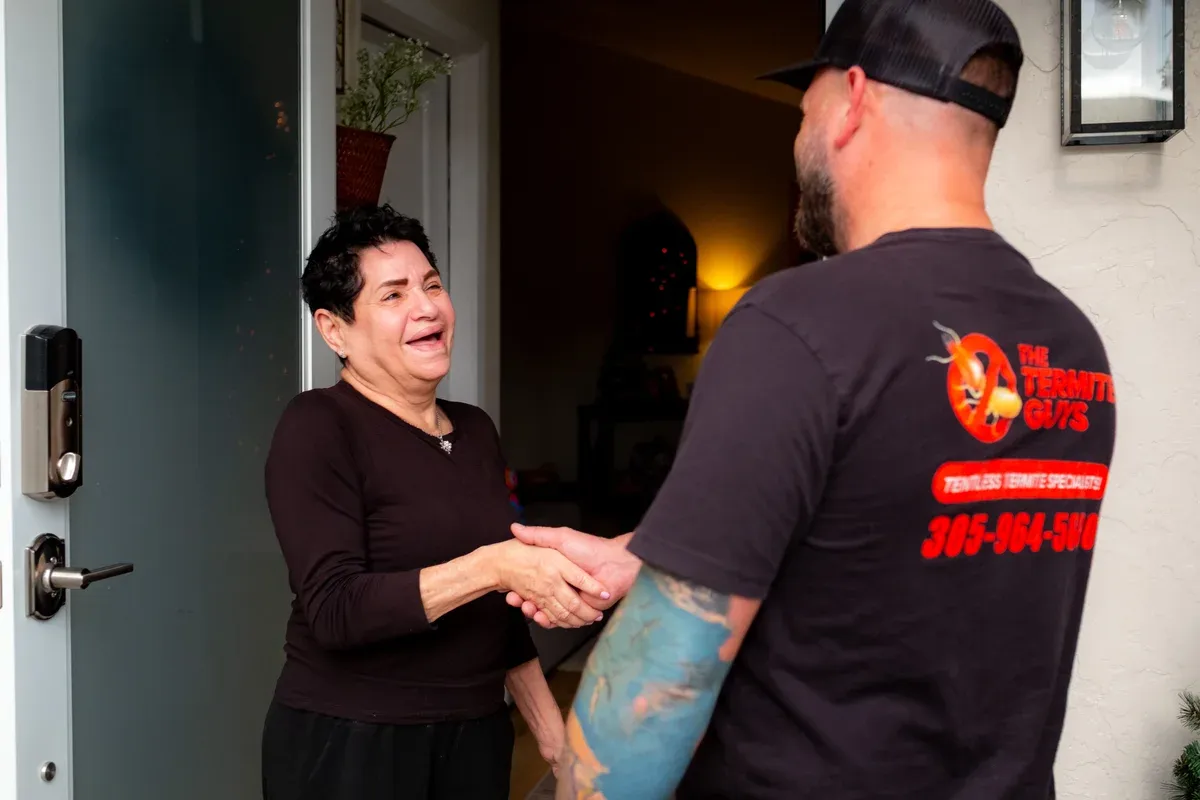
Florida ranks among the top states for termite damage. Our subtropical climate creates perfect conditions for multiple termite species to thrive simultaneously. Unlike northern states where freezing winters kill or slow termite populations, Florida termites remain active 365 days per year.
Three main termite types attack Florida homes:
Drywood termites live entirely within wood. They do not require soil contact or external moisture sources. These termites enter through attic vents, cracks around windows, and other openings. They create colonies within walls, furniture, and structural wood.
Subterranean termites nest underground and build mud tubes to reach wood in your home. They require constant moisture and travel between their soil colonies and food sources. These termites cause the most structural damage nationwide.
Formosan termites represent an invasive subterranean species that arrived in Florida decades ago. They form massive colonies containing millions of individuals and cause damage faster than native species.
Each termite type requires specific treatment approaches. Successful treatment starts with correctly identifying what you are dealing with.
Treatment Option 1: Tentless Termite Treatment
Tentless treatment has become increasingly popular among Florida homeowners, and for good reason. This approach eliminates drywood termites without the disruption of traditional fumigation.
How Tentless Treatment Works
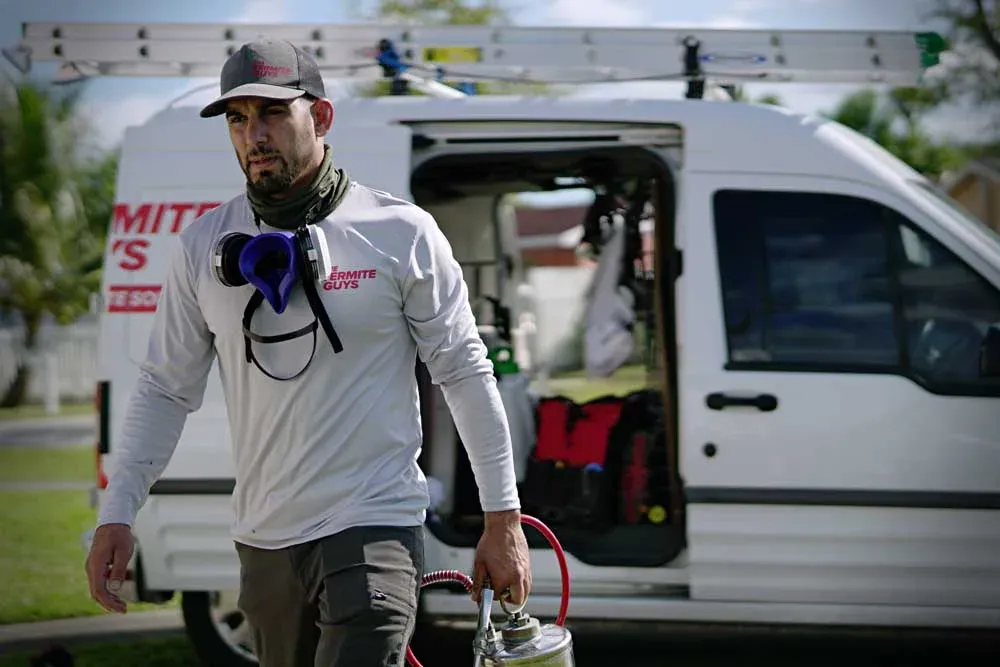
Technicians inject or apply specialized products directly into infested wood and surrounding areas. These products work through contact and ingestion, spreading through the termite colony as insects interact with treated materials and each other.
Modern tentless treatments use products that termites cannot detect. The insects continue normal activity, contacting and consuming treated materials. They then transfer the product to nest mates through grooming and feeding behaviors, eventually eliminating the entire colony.
When Tentless Treatment Makes Sense
Tentless treatment works best for:
- Localized drywood termite infestations
- Infestations caught relatively early
- Situations where vacating the home is impractical
- Homes with difficult-to-tent architecture
- Properties where fumigation poses logistical challenges
Advantages of Tentless Treatment
No evacuation required. You and your family stay home during treatment. No arranging alternative housing, no removing food items, no sealing medications.
Faster completion. Most tentless treatments finish in a single day. Compare this to fumigation requiring three or more days of vacancy.
Lower cost. Without the equipment, materials, and labor required for tenting, tentless treatment typically costs less than fumigation.
Targeted approach. Treatment focuses on actual infestation sites rather than treating the entire structure.
Limitations to Consider
Tentless treatment cannot reach termites hidden deep within walls or in inaccessible areas. For widespread infestations affecting multiple areas of your home, fumigation may prove more effective.
Treatment Option 2: Fumigation (Tenting)
When drywood termite infestations become severe or widespread, fumigation remains the most comprehensive solution. This process involves enclosing your entire home in a sealed tent and introducing fumigant gas that penetrates every space.
How Fumigation Works
The fumigation process follows a strict protocol:
- Your home is completely sealed with tarps
- Warning signs are posted around the perimeter
- Fumigant gas is released inside the sealed structure
- The gas penetrates walls, furniture, and all wooden materials
- After the required exposure period, your home is ventilated
- Air quality testing confirms safety before re-entry
When Fumigation Becomes Necessary
Fumigation makes sense for:
- Severe infestations affecting multiple areas
- Situations where termites have spread through inaccessible spaces
- Infestations involving multiple colonies
- Cases where tentless treatment has failed
- Properties with heavy structural infestation
What to Expect During Fumigation
You must vacate your home for approximately 48 to 72 hours. All people, pets, and plants must leave. Food items, medications, and certain other materials require removal or special sealing.
The process is disruptive, but fumigation achieves what no other treatment can: guaranteed elimination of every termite within the structure. The gas reaches insects hidden in walls, beneath flooring, and in areas impossible to treat any other way.
After Fumigation
Once your home passes air quality clearance testing, you can return immediately. The fumigant leaves no residue. However, fumigation provides no ongoing protection. New termites can infest your home immediately after treatment concludes.
Treatment Option 3: Soil Treatments for Subterranean Termites
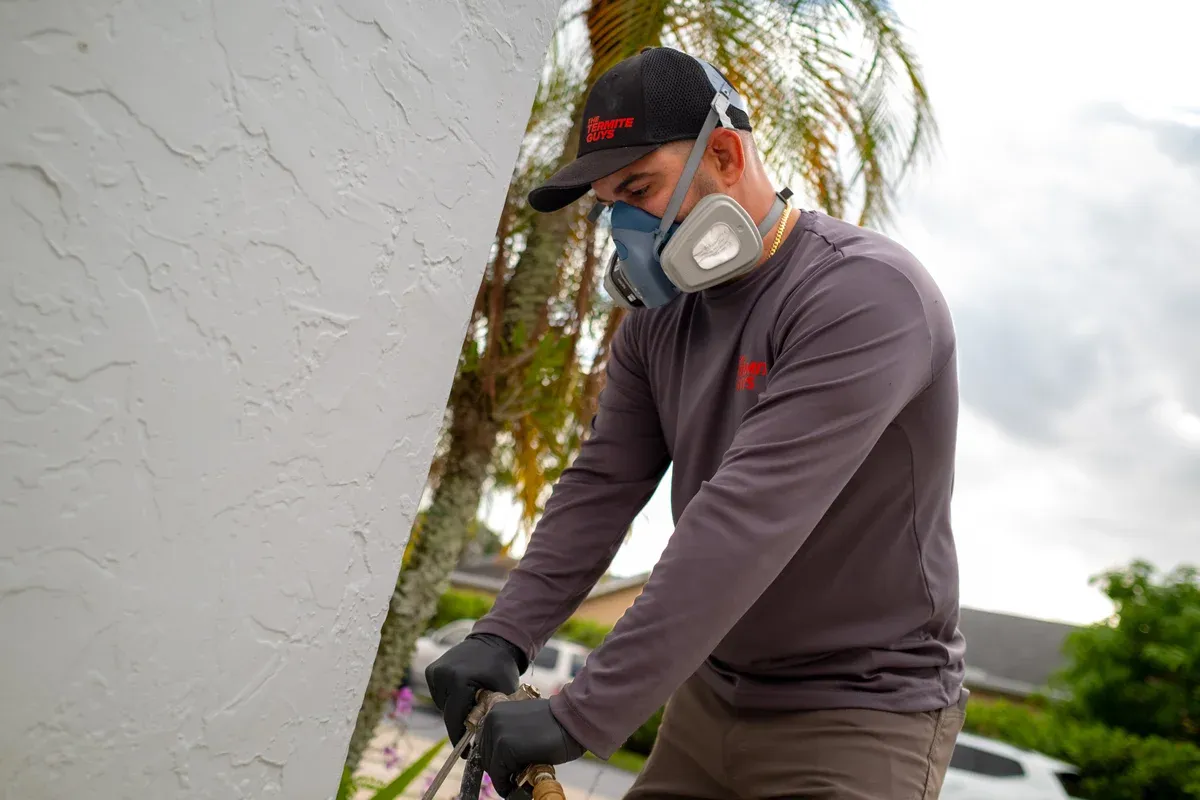
Subterranean termites require different treatment than drywood species. Because they nest in soil and travel to your home through mud tubes, effective treatment creates barriers they cannot cross.
Liquid Barrier Treatments
Licensed technicians apply liquid termiticide around your foundation and beneath the soil surface. This creates a continuous chemical barrier between subterranean termite colonies and your home.
Modern termiticides work in two ways. Some repel termites, preventing them from crossing the treated zone. Others are non-repellent, allowing termites to pass through treated soil and carry the product back to their colony.
The Application Process
Soil treatment involves:
- Trenching around the foundation perimeter
- Drilling through concrete where necessary
- Applying measured quantities of termiticide
- Backfilling trenches with treated soil
- Treating expansion joints and other entry points
Proper application requires professional equipment and expertise. The goal is creating an unbroken barrier with no gaps termites can exploit.
How Long Soil Treatments Last
Quality soil treatments provide protection for five to ten years depending on the product used, soil conditions, and local factors. Annual inspections help verify the barrier remains effective.
Treatment Option 4: Bait Systems
Termite bait systems take a different approach. Rather than creating barriers, baits attract termites, eliminate those that feed, and spread lethal doses throughout the colony.
How Bait Systems Work
Bait stations are installed around your property perimeter, typically every 10 to 15 feet. The stations contain materials termites find attractive. When termites discover and feed on the bait, they consume slow-acting insecticide.
The delayed action is intentional. Termites return to their colony and share the bait with nest mates before dying. This sharing behavior eventually eliminates the entire colony, including the queen.
Monitoring and Maintenance
Bait systems require ongoing monitoring. Technicians visit regularly to check stations, replenish bait, and assess termite activity. This continuous attention provides early warning if new termite pressure develops.
When Bait Systems Make Sense
Bait systems work well as:
- Preventative protection before infestation occurs
- Supplementary treatment alongside other methods
- Long-term monitoring solutions
- Protection for properties where liquid treatment is impractical
Treatment Option 5: Spot Treatments
For minor, localized infestations caught early, spot treatments offer a targeted solution. Technicians apply termiticide directly to specific infestation sites.
Spot Treatment Methods
Several spot treatment approaches exist:
Foam injection delivers expanding termiticide foam into wall voids and enclosed spaces. The foam fills cavities, coating surfaces where termites travel.
Drill and treat involves drilling small holes into infested wood and injecting termiticide directly into galleries. This places product exactly where termites live.
Surface application treats exposed wood with products termites absorb through contact.
Limitations of Spot Treatment
Spot treatments only work when technicians can locate and access every infestation site. If termites have spread beyond treated areas, the infestation continues. Spot treatment works best for isolated problems, not widespread issues.
Choosing the Right Treatment for Your Situation
Selecting the appropriate treatment depends on several factors unique to your situation.
Termite Species Identification
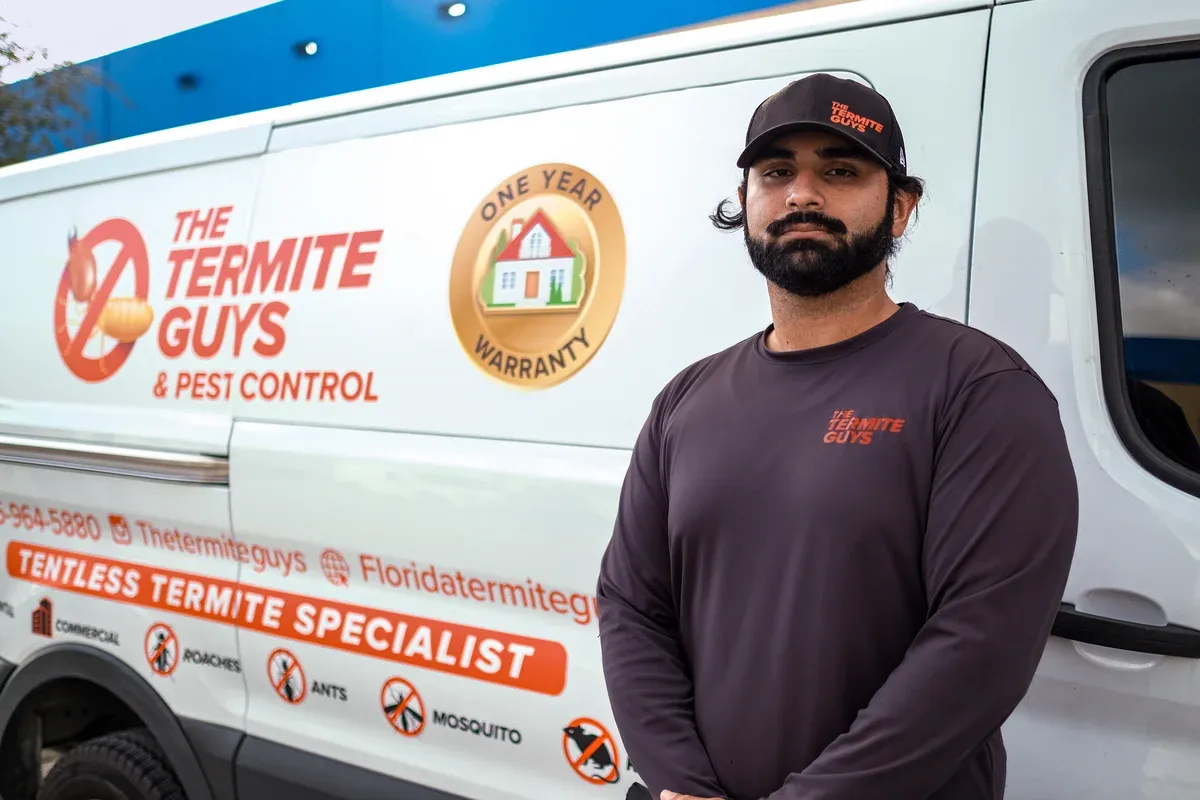
Drywood and subterranean termites require fundamentally different treatments. Misidentifying the species leads to wasted money and continued damage. Professional inspection accurately identifies what you are dealing with.
Infestation Severity
Early-stage infestations offer more treatment options than advanced cases. Small, localized problems may respond to spot or tentless treatment. Widespread infestations often require fumigation for complete elimination.
Your Priorities
Consider what matters most to you:
- Minimal disruption: Tentless treatment lets you stay home
- Complete elimination: Fumigation guarantees total kill
- Ongoing protection: Soil treatments and bait systems provide lasting defense
- Budget constraints: Different treatments have different costs
Property Characteristics
Your home’s construction, location, and condition influence treatment selection. Waterfront properties face different challenges than inland homes. Older construction may have vulnerabilities newer homes lack.
What Happens After Treatment
Treatment eliminates current infestations, but Florida’s termite pressure never stops. Post-treatment steps help ensure lasting protection.
Annual Inspections
Professional inspections catch new activity before significant damage occurs. Technicians know where to look and what signs indicate developing problems. Annual inspections represent smart prevention.
Moisture Control
Termites need moisture. Fixing leaks, improving drainage, and reducing humidity makes your home less attractive to termites. These steps complement professional treatment.
Ongoing Protection
Consider maintaining barrier treatments or monitoring systems. Prevention costs far less than treating new infestations and repairing damage.
Getting Professional Help in Florida
Treating termites in Florida requires expertise specific to our region. Products effective elsewhere may fail in our humid conditions. Treatment approaches suited to other climates may prove inadequate here.
Florida Termite Guys specializes in protecting South Florida homes from all termite species. Our technicians understand local termite behavior and use treatment methods proven effective in our unique environment.
We offer tentless treatment for qualifying situations, saving you the disruption of fumigation. When fumigation becomes necessary, we handle every detail professionally. Our soil treatments create lasting barriers against subterranean termites.
Every treatment includes our warranty backing our work. If termites return during the warranty period, we return and retreat at no additional cost.
Contact us today for your free inspection. We will identify exactly what is threatening your home and recommend the most effective treatment for your specific situation.
Related Topics
Florida Termite Guys
Florida Termite Guys has been protecting South Florida homes from termites for over 15 years. Our team of experts is committed to providing the best termite control solutions.