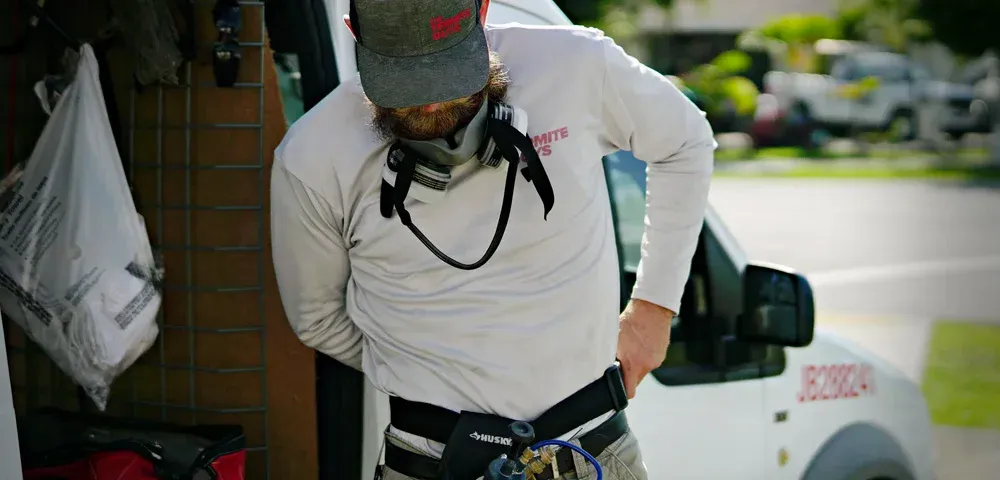
Understanding How Drywood Termite Treatment Works
What You Need to Know Before Treatment
Drywood termites present a unique treatment challenge because they live entirely within the wood they consume. Unlike subterranean termites that nest in soil and can be stopped with ground barriers, drywood colonies exist inside your home's wood structure. Effective treatment must reach them in their hidden galleries.
Professional drywood treatment follows a systematic process: thorough inspection to find all colonies, selection of the appropriate treatment method, skilled application by licensed technicians, and follow-up verification. Each step is critical for successful elimination.
This guide explains how professionals treat drywood termites so you understand what happens during the process. Whether you choose tentless injection or fumigation, knowing what to expect helps you prepare and ensures you get quality service from your treatment provider.
The information here comes from over fifteen years of treating drywood termites in South Florida. We have refined our processes through thousands of successful treatments and understand what works in Florida's climate and construction types.
Complete
Guide
Step by
Step
Expert
Knowledge
The Drywood Treatment Process
What happens from first call to warranty
Schedule Inspection
Contact a licensed termite professional. Describe what you have observed such as pellets, swarmers, or damaged wood. Schedule a thorough property inspection.
Professional Assessment
The inspector examines your property systematically, looking for signs of drywood activity. They identify termite species, map colony locations, and assess infestation extent.
Treatment Selection
Based on findings, you receive a treatment recommendation. The inspector explains why a particular method suits your situation and provides transparent pricing.
Treatment Application
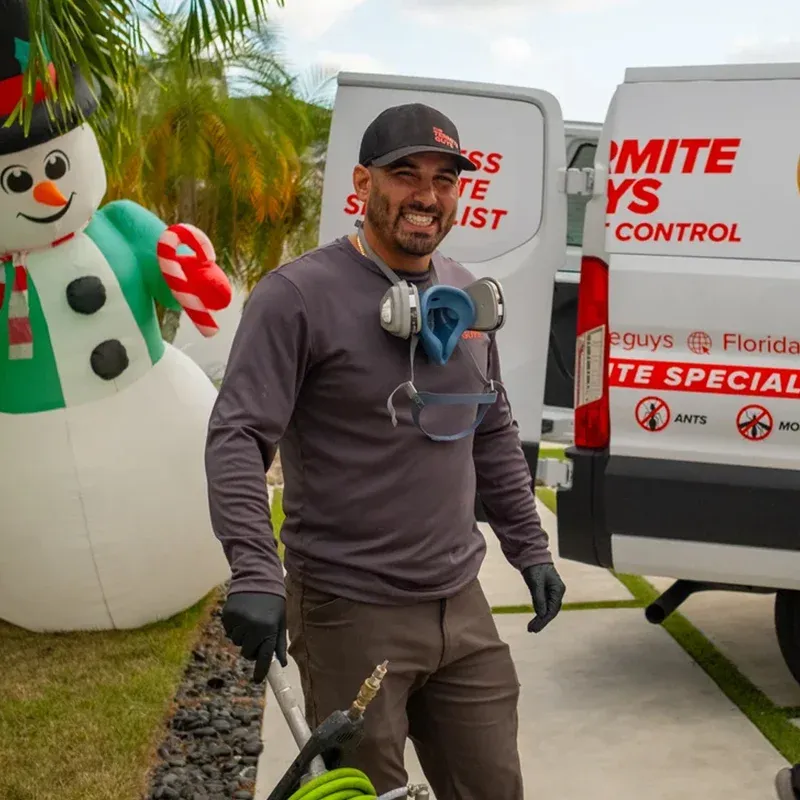
Licensed technicians apply the selected treatment using professional equipment and products. You receive documentation and warranty coverage begins.
Step 1: Recognizing You Have Drywood Termites
Signs that indicate you need treatment
Before treatment can begin, you need to know you have a problem. Drywood termites leave distinctive signs that homeowners can learn to recognize.
Pellet Accumulations
Drywood termites push waste pellets out of their galleries through kick-out holes. These pellets are small, six-sided, and resemble sand or coffee grounds. Finding piles of these pellets on windowsills, floors, or furniture indicates active infestation in the wood above.
Kick-Out Holes
Look for tiny holes in wood surfaces, about the diameter of a pencil lead. Termites create these holes to expel pellets from their galleries. Finding kick-out holes confirms the wood is infested, not just receiving pellets from elsewhere.
Swarmers
During swarming season, reproductive termites emerge from mature colonies to establish new ones. Finding winged termites inside your home or piles of shed wings near windows indicates an established colony somewhere in the structure.
Wood Damage
Severely infested wood may sound hollow when tapped, show surface blistering, or crumble when probed. However, significant damage often exists before these obvious signs appear, which is why early detection through pellets is important.
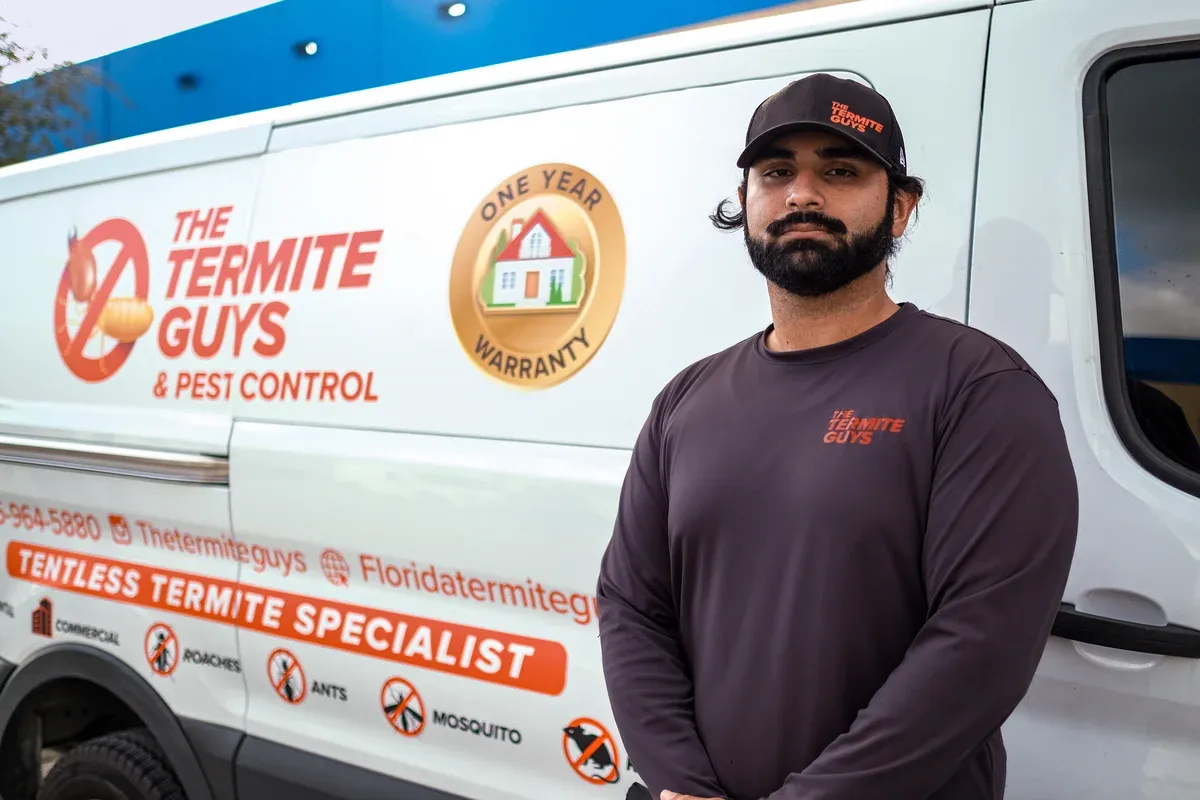
Drywood termites create extensive galleries inside wood. Treatment must reach throughout these hidden spaces.
Step 2: Professional Inspection
How experts find all termite colonies
A thorough inspection is the foundation of successful treatment. Here is what happens during a professional drywood termite inspection.
Systematic Property Examination
The inspector works through your property methodically, examining common infestation areas: attics, window frames, door jambs, baseboards, and any exposed wood. They look for pellets, kick-out holes, and other activity signs while probing suspect areas.
Species Identification
Different termite species require different treatments. The inspector identifies whether you have drywood termites, subterranean termites, or both. This determination guides the treatment recommendation.
Colony Mapping
For tentless treatment to succeed, all colonies must be found. The inspector maps each area of activity, noting which can be treated directly and which may be inaccessible. This mapping drives treatment planning.
Damage Assessment
Beyond finding active termites, the inspector assesses damage already done. They may probe wood to check structural integrity and note areas requiring repair after treatment eliminates the infestation.
Step 3: Choosing the Treatment Method
Matching the approach to your infestation
Based on inspection findings, you receive a treatment recommendation. Understanding your options helps you evaluate the recommendation.
Tentless Injection Treatment
For localized infestations in accessible areas, tentless injection delivers treatment directly into termite galleries. Small holes are drilled into infested wood, treatment product is injected under pressure, and the product spreads through the colony. You stay home during treatment, which typically completes in a single day.
When Tentless Is Recommended
- One to several colonies in accessible locations
- Early-stage infestations caught before spreading
- Situations where evacuation is difficult or impossible
- Condos or HOA communities restricting tenting
- Budget considerations when factoring all fumigation costs
Fumigation Treatment
For severe infestations affecting multiple areas or colonies in inaccessible locations, fumigation provides the highest certainty of complete elimination. The entire structure is tented and filled with fumigant gas that reaches termites wherever they are hiding.
When Fumigation Is Recommended
- Widespread infestation with many colony locations
- Colonies in areas that cannot be accessed for injection
- History of failed targeted treatments
- Real estate transactions requiring fumigation documentation
- When missing any colony would be unacceptable
Step 4: Treatment Application
What happens during actual treatment
Once you choose a treatment method, here is what to expect during application.
Tentless Treatment Day
Technicians arrive with injection equipment and treatment products. They systematically treat each identified colony location, drilling small access holes, injecting product under pressure, and sealing holes afterward. You can remain home throughout. Most treatments complete within three to six hours.
Fumigation Process
Fumigation involves more extensive preparation. You evacuate with pets and remove food and medications. The fumigation team tents the structure, introduces fumigant, maintains exposure for the required time, then removes the tent and aerates the home. Total time is typically two to three days before you can return.
After Treatment
You receive documentation of treatment performed. Any visible pellets can be cleaned up as they are just waste material. Warranty coverage begins immediately. Schedule follow-up inspection to verify elimination.
What Professional Treatment Achieves
Results you should expect from proper treatment
Colony Elimination
All treated termite colonies are killed. Transfer effect ensures product reaches termites throughout the colony, not just those directly contacted.
Damage Stops
Once colonies are eliminated, no more damage occurs to treated areas. Existing damage remains but does not worsen.
Warranty Protection
Professional treatment includes warranty coverage. If termites return to treated areas within the warranty period, retreatment is provided at no cost.
Documentation
You receive written documentation of treatment for your records. This documentation may be needed for real estate transactions or insurance purposes.
Why You Cannot Treat Drywood Termites Yourself
Understanding the DIY limitation
Many homeowners wonder if they can treat drywood termites themselves. Here is why professional treatment is necessary.
Consumer Products Cannot Reach Colonies
Drywood termites live inside wood, protected from any surface-applied product. Hardware store sprays and treatments contact only the wood surface, leaving termites in their galleries completely unaffected. Professional equipment is required to penetrate into colony galleries.
Finding All Colonies Requires Expertise
Successful treatment depends on finding every colony. This requires training in termite behavior, knowledge of common infestation areas, and experience interpreting signs of activity. Missing a single colony means the infestation continues.
Professional Products Are More Effective
Products available to licensed professionals contain transfer-effect technology that spreads treatment through termite social contact. Consumer products lack these properties. Professional application also uses proper equipment and techniques for maximum effectiveness.
Drywood Treatment FAQ
Common questions about the treatment process
Get Professional Drywood Termite Treatment
Free inspection identifies your infestation. Expert treatment eliminates colonies. One-year warranty protects your investment. Call today.