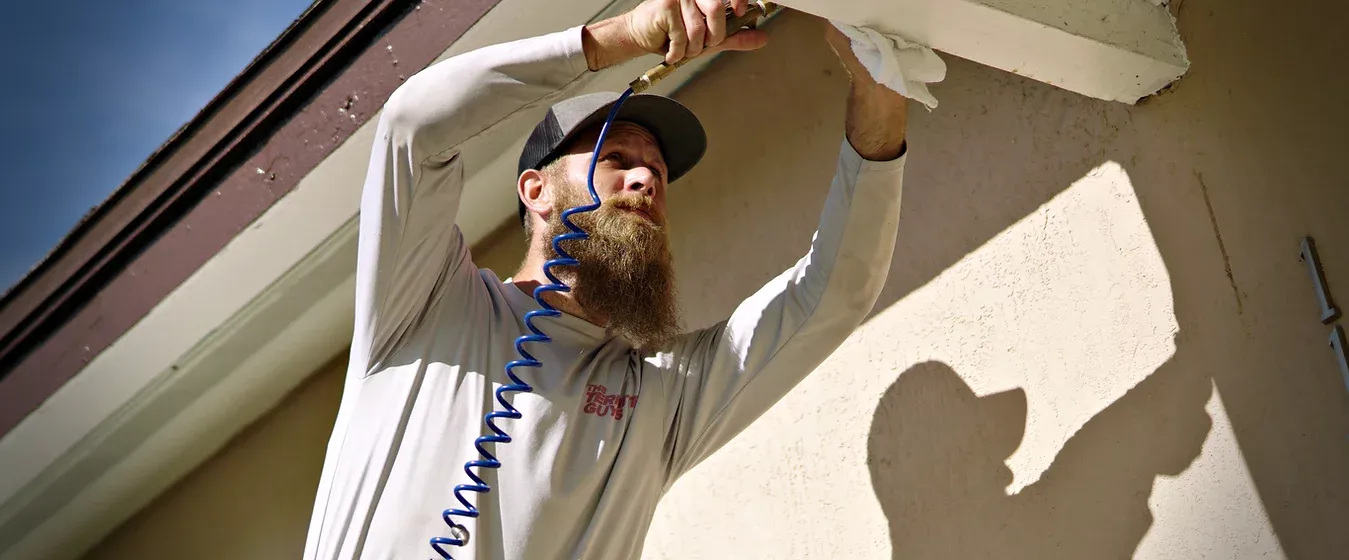
Underground Termite Solutions for Key Biscayne
Protecting Island Properties from Below
Key Biscayne's barrier island environment creates ideal conditions for subterranean termites. Sandy soil that retains moisture at depth, a high water table from the surrounding bay and ocean, and year-round warmth support aggressive underground colonies. These termites build extensive tunnel systems beneath the surface, attacking structures from below through cracks in foundations and slabs.
Subterranean termites differ fundamentally from the drywood species also common on Key Biscayne. They require soil contact and moisture to survive, nesting underground rather than inside wood. They build characteristic mud tubes to travel from soil to structure while maintaining humidity. Treatment must target the soil environment where they live, not just the wood they attack.
Florida Termite Guys brings specialized expertise to subterranean termite treatment on Key Biscayne. We understand how the island's unique soil conditions affect treatment approach. Sandy barrier island soil drains differently than mainland clay. The high water table influences product selection and application depth. These factors shape our treatment protocol for lasting effectiveness.
Our soil treatment creates a continuous chemical barrier around and beneath your foundation. Termites cannot cross this barrier without lethal exposure. The treatment eliminates current colonies attempting to reach your structure while preventing future infestation from establishing access. Your 1-year warranty backs our confidence in this protection.
Barrier
Protection
Colony
Elimination
1 Year
Warranty
Understanding Subterranean Termites on Key Biscayne
Know your enemy
Effective treatment starts with understanding the threat. Here is what makes subterranean termites particularly dangerous on Key Biscayne.
Eastern Subterranean Termites
The native subterranean species found throughout Florida. These termites build colonies in soil and construct mud tubes to cross exposed surfaces and reach wood structures. Colonies typically contain tens of thousands to hundreds of thousands of individuals. While slower to cause damage than Formosan termites, they remain a serious threat requiring professional treatment.
Formosan Subterranean Termites
An invasive species now well-established in Miami-Dade County. Formosan colonies can contain millions of termites, vastly outnumbering native species. They consume wood faster, build aerial nests that can sustain colonies without ground contact, and cause damage more rapidly. Formosan infestations require aggressive treatment.
Asian Subterranean Termites
The newest invasive threat, first detected in Miami in 2001. Asian subterranean termites can potentially hybridize with Formosan termites, and their colonies are similarly aggressive. This species is expanding its range throughout South Florida, adding another layer to the subterranean termite challenge.
Why Key Biscayne Needs Specialized Treatment
Island conditions that demand expertise
High Water Table
Key Biscayne's water table sits close to the surface, creating constantly moist soil that subterranean termites love. Treatment must account for island hydrology.
Year-Round Activity
No winter freeze suppresses termite colonies here. Subterranean termites remain active 365 days per year, continuously feeding and expanding.
Sandy Soil Conditions
Barrier island sandy soil behaves differently than mainland clay. Our treatment protocols account for sand drainage patterns and moisture retention.
Island Construction
Key Biscayne properties span many construction types, each presenting different treatment requirements for effective subterranean termite protection.
Our Subterranean Treatment Process
Creating comprehensive protection for your Key Biscayne property
Thorough Assessment
We inspect your property for subterranean termite activity, identify entry points, assess damage, and evaluate construction features that affect treatment approach.
Perimeter Trenching
We trench around your foundation perimeter, creating a continuous treatment zone. The trench allows product to reach soil depths where termites travel.
Sub-Slab Treatment
For slab construction, we drill through concrete at intervals to treat the soil beneath. This addresses termites accessing the structure through expansion joints and cracks.
Product Application
Professional-grade termiticides are applied to create a continuous barrier. Termites crossing this barrier carry the product back to their colony, eliminating the threat at its source.
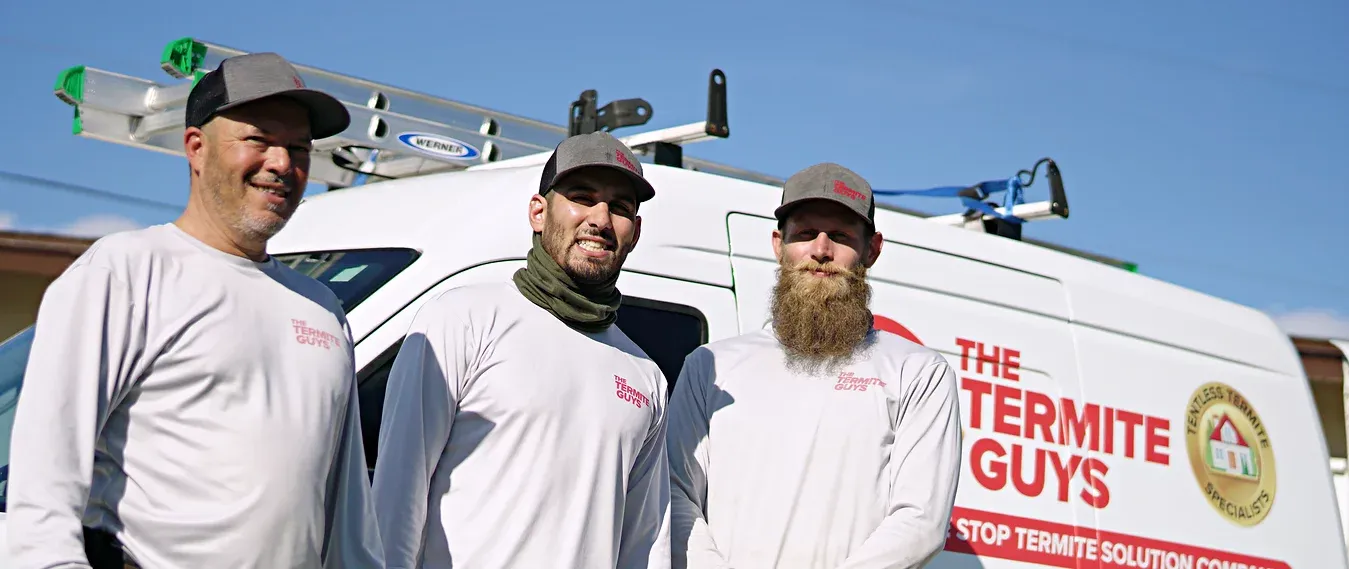
Perimeter treatment creates a continuous barrier protecting your foundation from subterranean termite attack.
About Key Biscayne
Island factors affecting subterranean termite risk
Key Biscayne occupies a barrier island accessed via the Rickenbacker Causeway, creating one of South Florida's most exclusive residential communities. The village sits between Biscayne Bay and the Atlantic Ocean, with Crandon Park preserving natural areas at the northern end and Bill Baggs Cape Florida State Park anchoring the southern tip near the historic lighthouse.
This island positioning creates environmental conditions distinct from mainland Miami-Dade. Constant humidity from surrounding waters, sandy soil that retains moisture at depth, and the high water table all contribute to elevated subterranean termite pressure. Properties near the water face particularly aggressive conditions, though all island structures require vigilant protection.
Key Biscayne's housing stock includes mid-century homes along Crandon Boulevard and interior streets, plus luxury high-rise developments at Grand Bay, Key Colony, Ocean Club, and Oceana. Each property type presents different vulnerabilities. Ground-level condos and single-family homes with slab foundations face subterranean pressure from the moisture-rich soil. Premium property values throughout ZIP code 33149 make effective termite control essential.
Signs of Subterranean Termites
Warning indicators Key Biscayne homeowners should recognize
Mud Tubes
Pencil-width tubes of soil and debris on foundation walls, piers, and other surfaces. These shelter tunnels allow termites to travel between soil and wood.
Stuck Doors & Windows
Termite damage causes wood to swell and warp. Doors and windows that suddenly stick without weather explanation may indicate hidden damage.
Swarmers
Winged termites emerging inside your home, especially after rain. Swarmers indicate a mature colony nearby, often within the structure itself.
Damaged Wood
Wood that sounds hollow when tapped, or shows maze-like patterns when exposed. Subterranean damage typically follows the grain and contains soil particles.
Key Biscayne Subterranean Treatment Results
Island property owners share their experiences
Found mud tubes on our foundation and knew we had subterranean termites. Florida Termite Guys installed a complete soil barrier around our home. The warranty inspection a year later showed no activity. The barrier works.
Kenneth R.
Verified Customer
Our older Key Biscayne home had recurring termite problems until we invested in proper soil treatment. Three years now without any subterranean activity. Should have done this sooner.
Barbara N.
Verified Customer
Being near the water, we knew subterranean termites were a real risk. Florida Termite Guys explained how the high water table affects treatment and designed a system appropriate for our situation. Very thorough.
Paul D.
Verified Customer
Subterranean Treatment Questions
Common concerns from Key Biscayne property owners
Protect Your Key Biscayne Property from Subterranean Termites
Free inspection to assess your risk. Comprehensive treatment plans with 1-year warranty. Island soil expertise.