Choosing the Right Termite Treatment
Informed Decisions Lead to Better Outcomes
When termites invade your home, selecting the right treatment matters. The wrong approach might waste money without solving the problem, while the right method eliminates the colony completely and protects against future infestations. Treatment effectiveness depends on matching the method to the termite species, infestation severity, and your home's construction.
South Florida homeowners typically face drywood termites, subterranean termites, or both. Each species responds differently to various treatments. A method that works excellently for drywood termites might do nothing against subterranean colonies, and vice versa. Professional inspection identifies exactly what you are dealing with.
This guide explains the major termite treatment categories, their advantages and limitations, and which situations each method handles best. Armed with this knowledge, you can have informed conversations with treatment providers and feel confident about the approach chosen for your home.
4
Treatment Methods
1 Year
Warranty Standard
5000+
Homes Treated
Tentless Treatment: Our Specialty
Targeted elimination without disruption
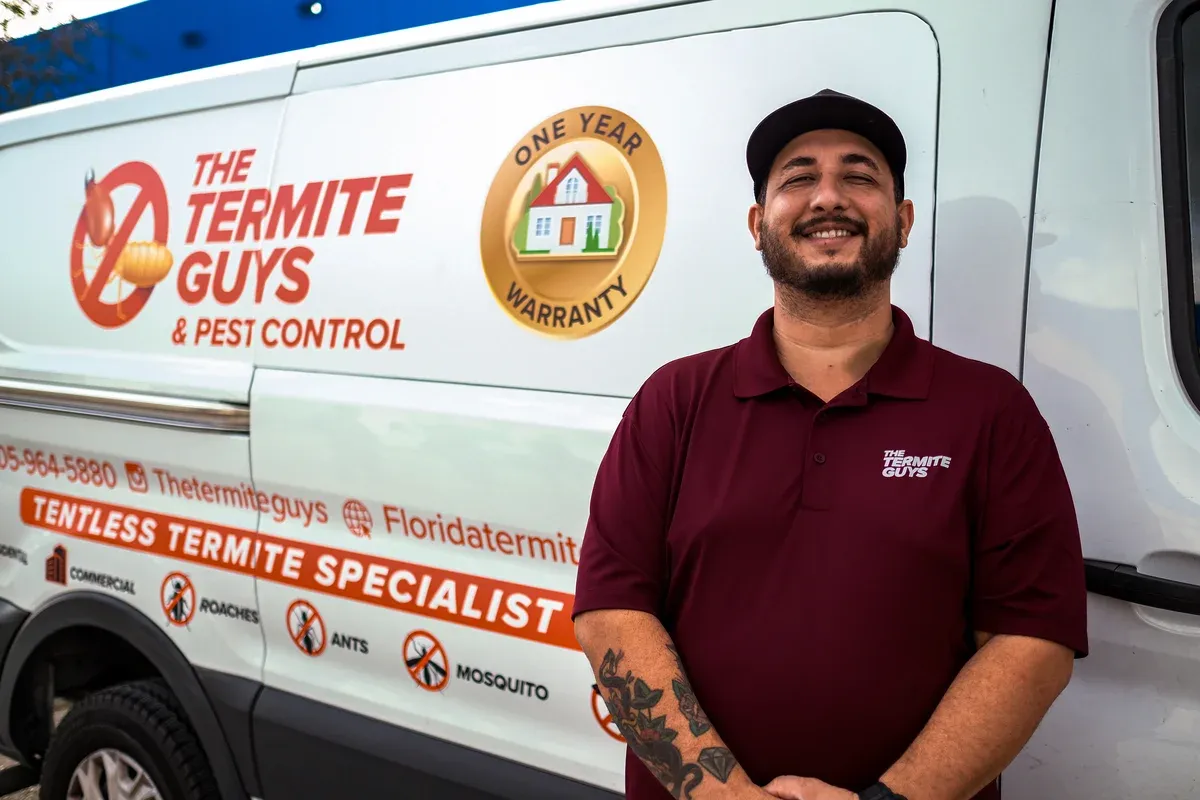
Tentless treatment is Florida Termite Guys' primary approach for drywood termite infestations. This method eliminates colonies directly without the major disruption of whole house fumigation.
How Tentless Treatment Works
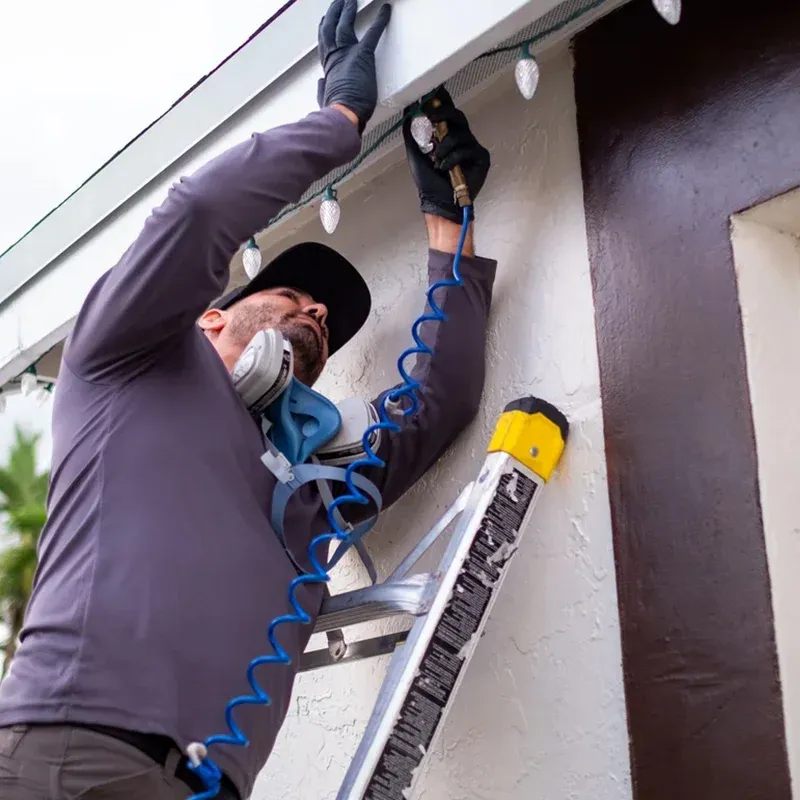
Our technicians locate all areas of termite activity through thorough inspection. We then create small access points in infested wood and inject professional grade termiticide directly into termite galleries. The product spreads through the colony as termites contact treated areas and transfer the material to nest mates. Over several weeks, the entire colony dies.
Advantages of Tentless Treatment
- No evacuation required: Stay in your home throughout treatment
- No food removal: Keep your refrigerator and pantry untouched
- Pet friendly: Dogs, cats, and other pets remain safely at home
- Same day completion: Most treatments finish within hours
- Lower cost: Typically less expensive than fumigation
- Targeted approach: Treatment goes exactly where termites are
When Tentless Works Best
Tentless treatment excels for localized drywood infestations where termite activity can be identified and accessed. It works for single colonies or multiple infestation points throughout a structure. The vast majority of drywood termite situations we encounter respond well to tentless treatment.
Limitations
Severe whole structure infestations with termites throughout inaccessible areas may require fumigation instead. Tentless treatment requires the ability to locate and access infested wood. If termites are hidden in areas we cannot reach, other methods become necessary.
Fumigation: Whole Structure Treatment
When comprehensive treatment is needed
How It Works
Your home is sealed under a tent and filled with sulfuryl fluoride gas. The gas penetrates all wood throughout the structure, killing termites wherever they are hiding.
Advantages
Reaches termites in inaccessible locations. Eliminates entire infestations regardless of severity. No areas left untreated. Proven effectiveness for severe cases.
Considerations
Requires 2-3 days away from home. All food, medications, and plants must be removed or bagged. Pets require boarding. Higher cost than localized treatments.
When Needed
Severe drywood infestations throughout the structure. Infestations in inaccessible areas. When multiple tentless attempts have not achieved control.
Soil Treatment: Subterranean Termite Control
Subterranean termites live in soil and require different treatment approaches than drywood species. Soil treatment creates barriers that protect your home from below.
Liquid Barrier Treatment
We apply liquid termiticide to soil around your foundation, creating a continuous treated zone. Termites attempting to reach your home through the soil contact the barrier and are eliminated. Modern termiticides are non repellent, meaning termites cannot detect and avoid them. They walk through treated soil, pick up the product, and carry it back to the colony.
Trench and Treat Method
For existing subterranean infestations, we dig a shallow trench around the foundation, apply termiticide, and replace the soil. This creates an immediate barrier while the product spreads through the colony. Termites already in your home are cut off from their soil based colony and eliminated.
Protection Duration
Modern soil treatments provide years of protection. The active ingredients bind to soil particles and remain effective as long as the treated soil stays undisturbed. Annual inspections confirm continued effectiveness and identify any areas requiring retreatment.
Bait Systems: Colony Elimination Over Time
A monitoring and treatment approach
Station Installation
Bait stations are placed around your property's perimeter at regular intervals. Initial stations contain wood monitoring devices that attract foraging termites.
Regular Monitoring
Technicians check stations periodically for termite activity. When termites are found, monitoring material is replaced with bait containing slow acting toxicant.
Colony Transfer
Worker termites feed on bait and share it with colony members through normal feeding behavior. The toxicant spreads throughout the colony over weeks to months.
Complete Elimination
The entire colony, including the queen, eventually dies from bait exposure. Ongoing monitoring prevents new colonies from establishing.
Choosing Your Treatment Method
A decision framework
Identify the Species
Professional inspection determines whether you have drywood, subterranean, or both termite types. Species identification is essential for treatment selection.
Assess Infestation Extent
Localized infestations respond to targeted treatments. Widespread infestations may require whole structure approaches. Inspection reveals the scope.
Consider Your Constraints
Can you leave home for several days? Do you have pets requiring boarding? Budget limitations? These practical factors influence treatment choice.
Discuss Options with Professionals
Reputable companies explain why they recommend specific treatments. You should understand the reasoning and feel confident in the approach chosen.
Not Sure Which Treatment You Need?
Our free inspection identifies the termite species and infestation extent, then we explain which treatments would be effective and why.
Treatment Cost Considerations
Treatment costs vary significantly based on method, home size, and infestation severity. Understanding cost factors helps set realistic expectations.
Tentless Treatment Costs
Tentless treatment typically costs less than fumigation because it does not require tenting, gas, or multi day processes. Costs depend on the number of infestation points and accessibility. Multiple small infestations may cost more than a single large one due to additional labor.
Fumigation Costs
Fumigation pricing is primarily based on home square footage since the entire structure requires tenting and gas treatment. Larger homes cost more. Factor in additional expenses like hotel stays, pet boarding, and food disposal when comparing to tentless options.
Soil Treatment Costs
Soil treatment pricing relates to linear footage around your foundation. Homes with larger footprints or complex shapes require more product and labor. New construction pre treatment is generally less expensive than retrofitting existing homes.
Bait System Costs
Bait systems involve initial installation plus ongoing monitoring fees. While annual costs may seem lower, cumulative expenses over years can exceed one time liquid treatments. Consider your timeline and budget preferences.
Termite Treatment Questions
Making informed decisions
Find Your Treatment Solution
Florida Termite Guys provides honest assessments and recommends treatments appropriate for your situation. Schedule your free inspection and get personalized treatment advice.