Understanding Your Options for Termite Elimination Without Tenting
A Homeowner's Guide to Tentless Treatment Methods
When you discover termites in your home, the first image that comes to mind is often a giant tent covering your entire house. For decades, this fumigation approach was the only reliable way to eliminate drywood termite infestations. Today, alternatives exist that can achieve the same results without the massive disruption.
This guide explains how to get rid of termites without tenting your home. We cover the methods available, how they work, when they are appropriate, and what results you can expect. The goal is to help you make an informed decision about protecting your property.
Before diving into methods, it is important to understand a key distinction: different termite species require different treatment approaches. Drywood termites, which live entirely within wood, can often be eliminated without tenting. Subterranean termites, which nest in soil, require soil treatment regardless of whether you tent for other species.
The information here comes from over fifteen years of practical experience treating termites in South Florida. We have seen what works, what fails, and why. Use this guide as a starting point for understanding your options, then contact a licensed professional for specific recommendations for your property.
Expert
Guide
Proven
Methods
Informed
Decisions
Method 1: Direct Injection Treatment
The primary tentless approach for drywood termites
Direct injection is the most effective and widely used method for eliminating drywood termites without tenting. Here is how it works and why it succeeds.
How Direct Injection Works
Drywood termites create colonies within the wood they consume. They carve out galleries where they live, reproduce, and feed. Direct injection treatment involves drilling small access holes into infested wood and introducing treatment material directly into these galleries.
The treatment product spreads through the gallery system in two ways. First, physical pressure forces the material through connected spaces. Second, termites that contact the product carry it on their bodies to other colony members through normal social behavior. This transfer effect ensures the treatment reaches termites throughout the colony, including those in areas the drill cannot reach.
Why Direct Injection Is Effective
- Targets termites directly in their habitat rather than relying on gas distribution
- Concentrated product in the colony achieves faster elimination
- Transfer effect reaches hidden areas
- No need to saturate the entire structure with chemicals
- Works regardless of how well your home seals
What to Expect During Treatment
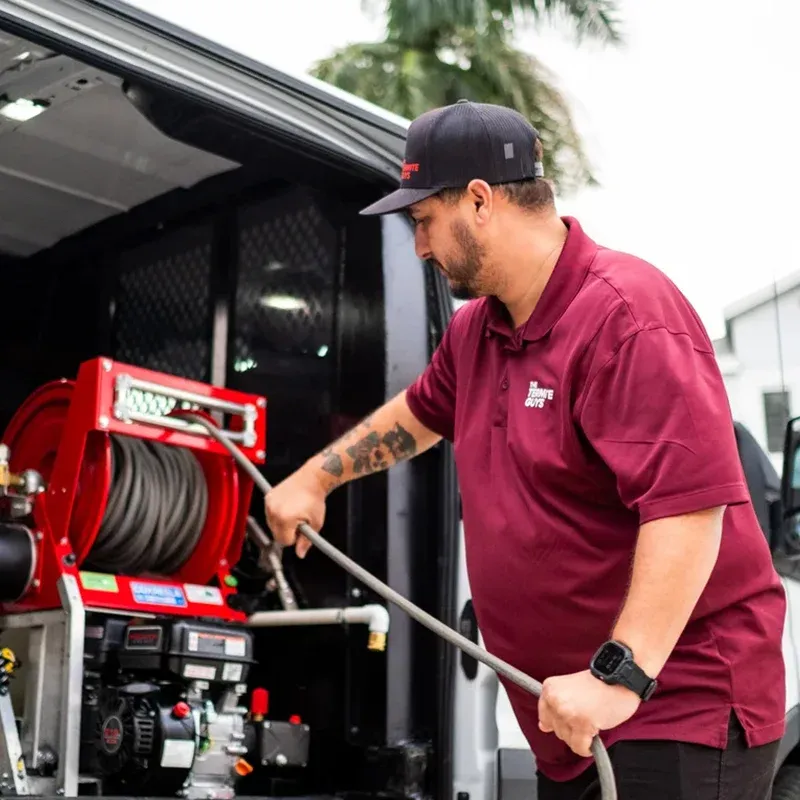
Technicians identify all areas of termite activity through thorough inspection. They drill small holes into infested wood at strategic locations and inject treatment under controlled pressure. After application, they seal the access points. The entire process typically completes in a single day, and you can remain in your home throughout.
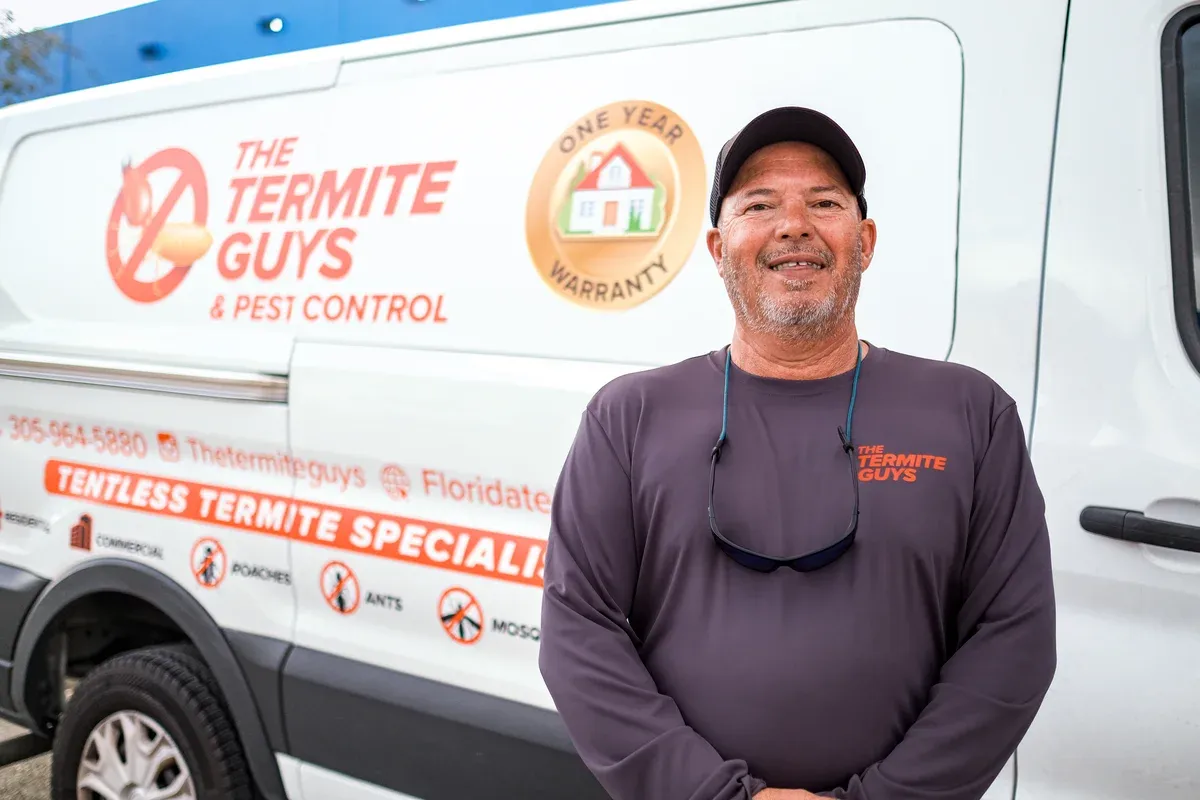
Direct injection delivers treatment exactly where termites live, eliminating the need for whole-structure fumigation.
Method 2: Foam Application Treatment
Reaching voids and hidden spaces
Foam application complements direct injection for treating termites in wall voids, attic spaces, and other areas where liquid injection alone may not reach.
How Foam Treatment Works
Treatment product is mixed with an expanding foam carrier that fills voids and coats surfaces. When injected into wall cavities or other enclosed spaces, the foam expands to reach areas that liquid cannot, then breaks down to release the active ingredient. This ensures comprehensive coverage in hard-to-reach locations.
When Foam Is Used
- Wall voids where termites are active but liquid cannot flow
- Attic spaces with complex framing
- Areas behind finished surfaces where access is limited
- Spaces where foam expansion provides better coverage than liquid
Foam and Injection Combined
Most professional tentless treatments use both liquid injection and foam application depending on the specific areas being treated. The technician chooses the appropriate method for each location based on wood type, void characteristics, and termite activity patterns.
Key Factors for Successful Tentless Treatment
What determines whether treatment without tenting will work
Thorough Inspection
Success depends on finding all termite colonies. Missing a colony means the infestation continues. Experienced inspectors know where to look.
Accessible Colonies
Direct treatment requires reaching the colonies. Most infestations are accessible, but some in deeply concealed locations may need fumigation.
Professional Products
Effective treatment requires professional-grade products with transfer effect technology. Consumer products lack these properties.
Trained Application
Proper technique matters. Correct pressure, adequate volume, and strategic placement determine whether treatment reaches all termites.
When Tentless Treatment May Not Be Appropriate
Understanding the limitations
Honesty about limitations is important. Tentless treatment works excellently in many situations but is not the right choice for every termite problem.
Severe, Widespread Infestations
When drywood termites have spread throughout a structure with colonies in many locations, some of which may be inaccessible, traditional fumigation may provide more reliable elimination. If an inspector finds extensive activity in areas that cannot be reached for direct treatment, they should recommend fumigation.
Inaccessible Construction
Some buildings have construction features that prevent access to infested areas. Sealed walls with no void access, unusual framing, or structural obstacles can make direct treatment impossible for certain colonies. A thorough inspection reveals these limitations.
Subterranean Termites
The tentless methods described here target drywood termites. Subterranean termites, which nest in soil and travel to wood through mud tubes, require soil treatment. If you have subterranean termites, the treatment approach is different regardless of whether you also tent for drywood species.
The Tentless Treatment Process Step by Step
What to expect when you choose treatment without tenting
Professional Inspection
A licensed inspector examines your property thoroughly, probing wood, checking attics and crawl spaces, and mapping all termite activity. This determines whether tentless treatment is appropriate.
Treatment Recommendation
Based on inspection findings, you receive a recommendation explaining what treatment method will work, why, and what it costs. Honest providers will recommend fumigation if tentless will not solve your problem.
Treatment Application
Technicians drill access points, inject treatment into colonies, and apply foam to voids as needed. You remain home throughout. Most treatments complete in a single day.
Follow-Up Monitoring
Professional services include follow-up inspection to verify elimination. This confirms the treatment worked and provides peace of mind that your termite problem is solved.
DIY vs. Professional Treatment: An Honest Assessment
Can you eliminate termites without tenting on your own?
Many homeowners wonder if they can treat termites themselves. Here is an honest assessment of DIY approaches versus professional service.
What DIY Products Can Do
Hardware store termite products can kill termites they contact. Spraying exposed termites or treating an isolated piece of wood may eliminate visible activity. For minor, surface-level problems, DIY treatment can provide temporary relief.
What DIY Products Cannot Do
Consumer products lack the transfer effect technology of professional termiticides. They kill on contact but do not spread through colonies. They also cannot reach termites hidden deep within walls, attics, or other concealed areas. Most importantly, DIY treatment comes without the inspection expertise needed to find all colonies.
The Real Risk of DIY
The biggest danger of DIY treatment is false confidence. Killing visible termites while missing hidden colonies gives you the impression the problem is solved while damage continues. By the time you realize DIY failed, months of additional damage have occurred and professional treatment costs more than it would have initially.
When to Call a Professional
If you see signs of termites, call a licensed professional for inspection. Even if you are considering DIY treatment, a professional inspection tells you what you are dealing with. Most companies offer free inspections, so there is no cost to getting expert assessment before making treatment decisions.
Not Sure Which Method Is Right for Your Home?
Our free inspection determines exactly what termite species you have, where colonies are located, and whether tentless treatment will solve your problem. No obligation, just honest answers.
Common Questions About Treatment Without Tenting
Detailed answers to help your decision
Get Expert Advice for Your Termite Problem
Free inspections, honest recommendations, and effective treatment. Find out whether treatment without tenting will solve your termite problem.