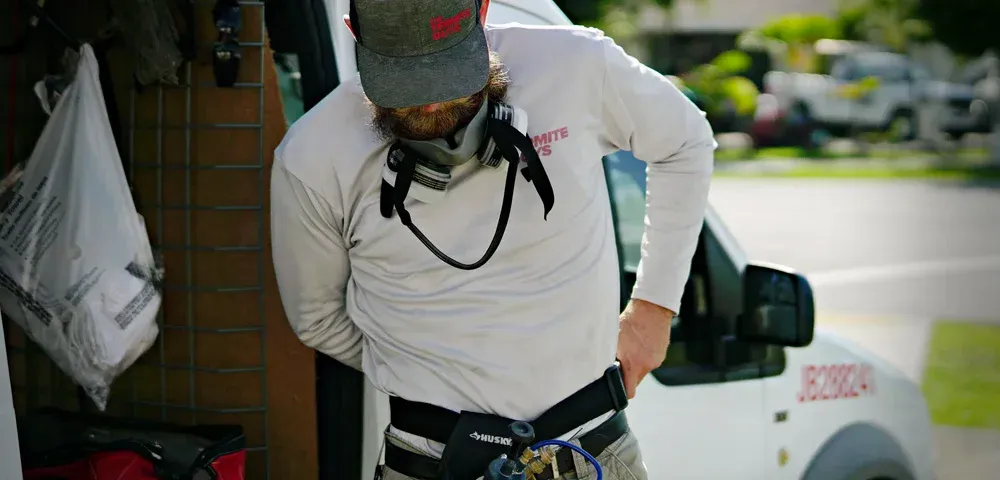
Excellence in Termite Detection Saves Money
Not all termite inspections deliver equal value. The difference between a rushed examination and a methodical investigation often amounts to thousands of dollars in undetected damage. South Florida homeowners face some of the nation's highest termite pressure, with both drywood and subterranean species actively colonizing structures year-round. Finding an inspector who combines technical knowledge, field experience, and genuine thoroughness determines whether problems get caught early or spiral into structural emergencies.
A superior inspection goes beyond checking obvious spots. It involves understanding how termites behave in different seasons, recognizing subtle evidence like frass patterns or mud tube configurations, and knowing where infestations hide in various architectural styles. Florida's Mediterranean Revival homes hide termites differently than newer concrete-block construction. Experienced inspectors read these nuances.
The best services also communicate clearly. Homeowners receive detailed written reports with photos, location maps, and treatment recommendations ranked by urgency. No confusing jargon. No pressure tactics. Just facts that help property owners make informed decisions about protection and remediation.
FL License JF288223
Licensed & Insured
Issues other inspectors miss
Detection Rate
Same day available
Report Turnaround
What Separates Superior Inspection Services
Proper Credentials Matter
Florida requires specific licensing for termite inspections. Our inspectors hold current state certifications and complete ongoing education on emerging termite species and detection technologies. Insurance coverage protects both parties.
Systematic Coverage Protocol
We inspect every accessible area using a standardized checklist that covers attics, crawl spaces, garages, exterior perimeters, and structural connections. Nothing gets skipped because of time constraints or laziness.
Adequate Time Investment
Thorough inspections of typical homes require 60-90 minutes minimum. Services promising complete inspections in 20 minutes either cut corners or don't actually examine what they claim to examine.
Comprehensive Documentation
Reports include location maps, dated photos, species identification, damage assessment, and prioritized treatment recommendations. For real estate transactions, we provide official WDO reports that meet all lender requirements.
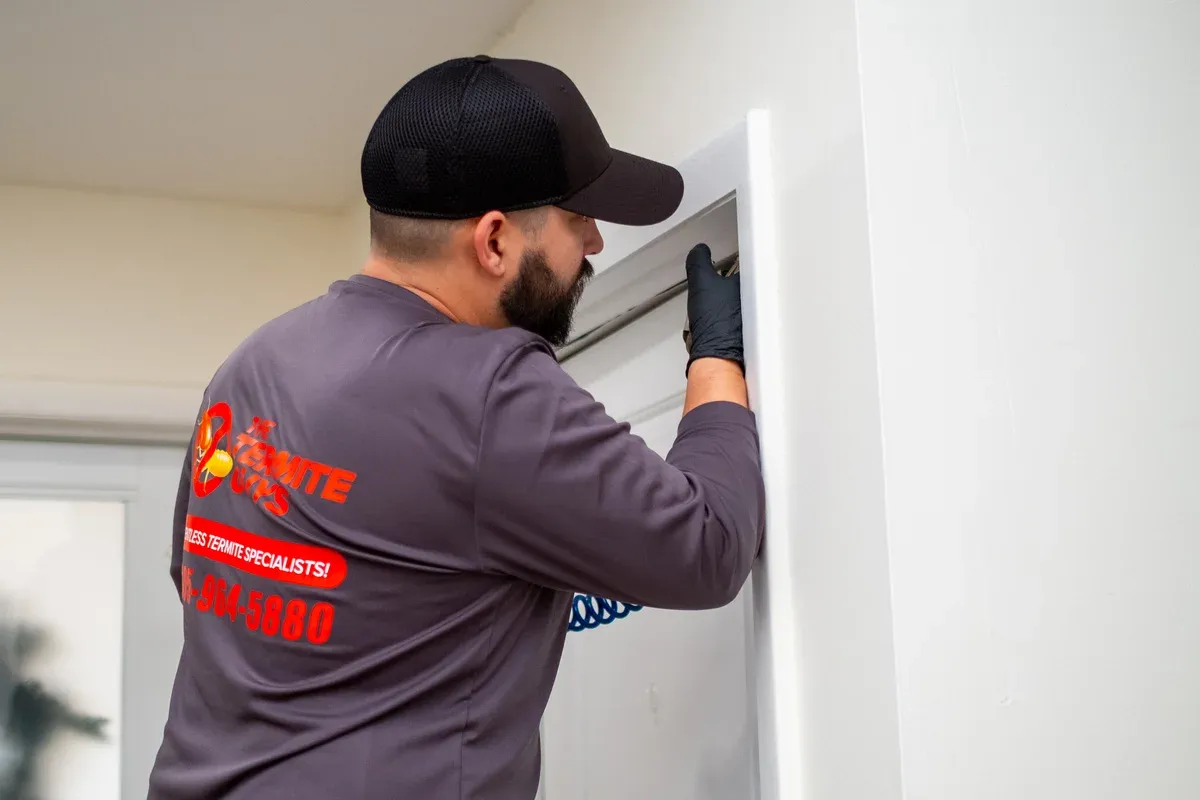
Advanced moisture detection helps identify conducive conditions and hidden termite activity behind walls and in structural voids.
How a Professional Inspection Works
Exterior Perimeter Examination
We walk the entire foundation looking for mud tubes, damaged wood, evidence of swarming, and conducive conditions like soil-to-wood contact or excessive moisture. We check eaves, soffits, and attic vents for drywood termite entry points.
Interior Structural Assessment
Every accessible interior area gets examined including closets, garages, attic spaces, crawl areas, and utility rooms. We use moisture meters and probes to test suspicious areas. We check door frames, window sills, baseboards, and exposed beams.
Documentation and Identification
We photograph all findings and collect samples when necessary for species identification. Accurate identification determines which treatment approach will be most effective. We map infestation locations for precise treatment planning.
Report Delivery and Consultation
You receive a detailed written report explaining all findings in plain language. We review it with you, answer questions, and provide treatment options with honest pricing. No surprises or hidden fees appear later.
Recognition of Termite Evidence Requires Training
Drywood termites leave tiny piles of pellets that resemble sawdust or coffee grounds. These accumulate below kick-out holes smaller than pinheads. Subterranean termites build mud tubes as travel corridors between soil and wood food sources. Both species swarm during specific seasons, leaving discarded wings near entry points. Experienced inspectors recognize these signs even when subtle or partially obscured.
Moisture meters detect elevated readings that indicate conditions favorable to termite colonization. Termites need moisture to survive, so areas reading above 20 percent wood moisture content warrant closer examination. Hollow-sounding wood when tapped, visible galleries when probed, and sagging floors or ceilings all signal active damage requiring immediate attention.
Florida hosts multiple termite species with different behaviors and treatment requirements. Drywood termites colonize wood directly and can be addressed with localized spot treatments or whole-structure fumigation depending on infestation extent. Subterranean species require soil barrier treatments or baiting systems. Formosan subterranean termites, particularly aggressive in South Florida, demand specialized approaches.
Misidentifying species leads to ineffective treatment. Some companies apply generic solutions without proper diagnosis. The best inspectors take time to confirm species through visual identification or sample analysis, then recommend treatment specifically proven effective against that particular termite.
What Quality Inspection Reports Include
Precise Location Mapping
Every finding gets mapped to specific room locations so treatments target actual problem areas rather than guesswork.
Photographic Evidence
Dated photos document current conditions and provide visual proof for insurance claims or real estate negotiations.
Damage Severity Rating
Clear assessment of whether damage is active, old, minor surface impact, or structural concern requiring urgent repairs.
Official WDO Certification
For real estate transactions, we provide state-recognized WDO reports that satisfy all lender and title company requirements.
Real Estate Transaction Inspections Carry Extra Stakes
Most Florida mortgage lenders require Wood-Destroying Organism reports before closing. These inspections follow specific protocols and reporting formats mandated by state regulations. The inspector signs off legally, certifying findings. Buyers depend on these reports to negotiate repairs or reconsider purchases. Sellers need clean reports to close deals smoothly.
Problems arise when inspectors rush WDO examinations or miss issues to avoid delaying closings. Buyers then inherit expensive termite damage discovered months later. The best practice involves treating WDO inspections with the same rigor as general property inspections, regardless of closing deadlines.
Choosing an inspector based solely on speed or low price often costs more than the money saved. Thorough examination protecting your investment matters more than saving $50 on inspection fees.
We've inspected thousands of South Florida properties and found active infestations in homes with recent clean WDO reports from other companies. Termites don't appear overnight. They were simply missed during inadequate inspections. When buying property, insist on inspectors with established reputations rather than whoever the real estate agent recommends for quick turnarounds.
Pre-Purchase Inspections Prevent Expensive Surprises
Don't inherit someone else's termite problem. Get an independent inspection before closing.
What Property Owners Say About Our Inspections
Hired them for a pre-purchase inspection after the seller's WDO came back clean. They found active drywood termites in the attic that the other inspector completely missed. Saved me from a $8,000 problem. Worth every penny.
Michael R.
Verified Customer
Most thorough inspection I've experienced. The inspector spent over an hour examining everything, took tons of photos, and explained exactly what he found and why. The written report was detailed and easy to understand. This is how inspections should be done.
Jennifer T.
Verified Customer
Annual inspection found early-stage subterranean activity near our garage foundation. Caught it before significant damage occurred. The treatment was straightforward because detection happened early. Regular inspections absolutely pay for themselves.
Carlos M.
Verified Customer
Common Questions About Quality Termite Inspections
Schedule a Thorough Termite Inspection
Ready to protect your home from termites? Contact us for a free inspection.