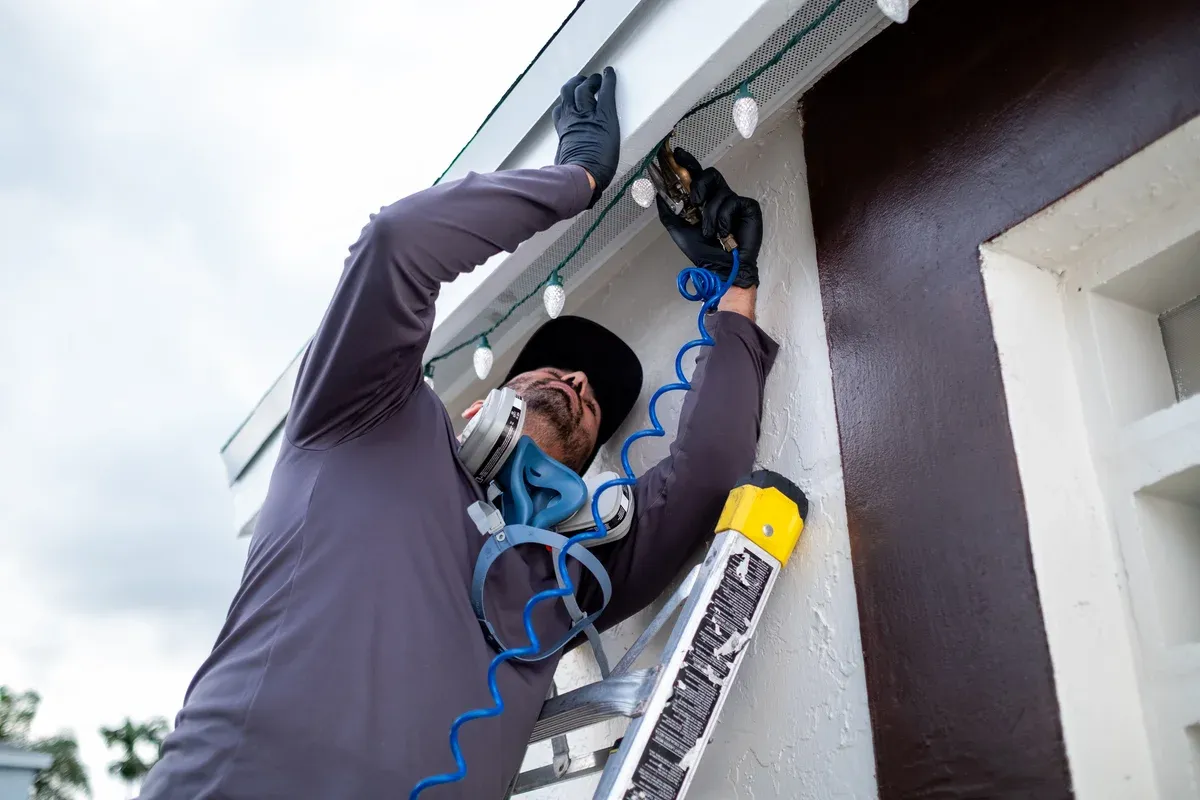
Why Florida Has the Nation's Highest Termite Pressure
Florida experiences termite activity unlike any other state. While northern regions see seasonal termite patterns with winter dormancy, Florida's subtropical and tropical climates allow year-round colony growth. The combination of warmth, humidity, sandy soil, and diverse termite species creates perfect conditions for structural damage. National pest control data consistently ranks Florida as the state with highest termite risk, and property damage estimates exceed hundreds of millions annually.
The state hosts multiple destructive termite species. Subterranean termites including Eastern, Formosan, and Asian species tunnel through Florida's sandy soil reaching structures from underground colonies. Drywood termites colonize wood directly without soil contact, infesting attics, furniture, and structural timbers. West Indian drywood termites, invasive species particularly common in South Florida, cause extensive damage. Florida's ports and international connections facilitate introduction of new termite species that establish populations in favorable climate.
This termite pressure makes professional inspection essential rather than optional for Florida property owners. Damage accumulates silently behind walls and in attics. Swarmers appear suddenly indicating established colonies. Foundation cracks and construction gaps provide termite highways into buildings. Without regular inspection by trained professionals who recognize Florida-specific termite evidence, infestations progress from minor to catastrophic.
#1 Highest in USA
National Termite Risk Ranking
Multiple destructive types
Active Termite Species in FL
Year-round activity
Termite Season in Florida
What Makes Florida Termite Inspection Different
Year-Round Activity Requires Vigilance
Northern states have dormant winter periods. Florida termites remain active every month. Colonies grow continuously without seasonal breaks, making annual inspection minimum recommendation.
Multiple Species Require Expertise
Inspectors must identify whether damage comes from subterranean or drywood species. Each requires different treatment approaches. Misidentification leads to ineffective treatments wasting money.
Construction Types Create Vulnerabilities
Florida's concrete block construction isn't termite-proof. Wood framing, roof trusses, trim, and interior components all provide food sources. Inspectors must understand Florida building methods.
WDO Reports for Real Estate
Florida real estate transactions typically require official WDO inspection reports. These follow specific state protocols and formats. Inspectors must hold proper licensing and insurance.
Understanding Florida's Termite Species and Behavior
Eastern subterranean termites occur throughout Florida and cause significant structural damage. They build underground colonies containing hundreds of thousands of workers and construct mud tubes connecting soil to wood food sources. Formosan subterranean termites, among the most destructive termite species worldwide, thrive in South Florida. These aggressive colonies can contain millions of individuals and cause rapid, extensive damage.
Florida's sandy, porous soil allows easy termite tunneling. Subterranean species exploit any crack in slabs, foundation gaps, or plumbing penetrations to access structures. They require moisture and typically maintain soil contact, but large Formosan colonies can sustain themselves within buildings if sufficient moisture exists. Detection requires examining foundations, crawl spaces, and any soil-adjacent areas.
Drywood termites colonize wood directly without needing soil contact. They enter through small cracks, establish colonies inside structural timbers or furniture, and can remain undetected for years. These termites leave tiny pellet piles resembling sawdust below kick-out holes smaller than pinheads. Florida hosts both native drywood species and invasive West Indian drywood termites particularly prevalent in coastal areas.
Swarming season varies by species and region across Florida. Finding discarded wings indoors signals active infestation requiring immediate professional inspection.
Unlike subterranean termites that build obvious mud tubes, drywood activity stays concealed inside wood. Damage may only become visible when colonies grow large or wood integrity fails. Attics, wall voids, door frames, and window sills commonly harbor drywood colonies. Thorough inspection requires checking all these locations systematically.
Foundation inspection reveals subterranean termite mud tubes connecting soil to structure in typical Florida home.
What Professional Florida Termite Inspection Covers
Complete Exterior Perimeter Inspection
Walk entire foundation examining for mud tubes, damaged wood, termite frass, and conducive conditions like wood-soil contact or moisture issues. Check eaves, soffits, vents, and attic entry points for drywood termite evidence.
Interior Structural Assessment
Inspect all accessible interior areas including attics, garages, closets, crawl spaces, and utility rooms. Use moisture meters to detect elevated readings indicating termite-favorable conditions. Probe suspicious wood to confirm hollowness.
Species Identification and Documentation
Photograph findings, collect samples when necessary, and accurately identify termite species. Proper identification determines whether soil treatments, spot applications, or fumigation will be most effective.
Comprehensive Written Report
Provide detailed report with photos, location maps, species identification, damage assessment, and treatment recommendations. For real estate transactions, deliver official WDO certification meeting lender requirements.
Florida Real Estate Transactions and WDO Requirements
Most Florida mortgage lenders require Wood-Destroying Organism inspection reports before approving home loans. These WDO inspections follow specific state-mandated protocols and reporting formats. Inspectors must hold current Florida pest control operator licenses and carry appropriate insurance. The inspection covers termites plus other wood-destroying organisms like wood-boring beetles and carpenter ants.
WDO reports document current visible evidence of infestation or damage. They identify active versus old damage, specify organisms found, and note conducive conditions that increase future risk. Clean WDO reports state no evidence was found during inspection. Reports showing issues may require treatment before closing or price negotiation between buyer and seller.
The quality of WDO inspections varies significantly between providers. Some inspectors rush examinations to meet closing deadlines or maintain high inspection volume. Buyers sometimes inherit termite problems because inadequate inspections missed evidence. Sellers benefit from pre-listing inspections allowing time to address issues before marketing property.
- WDO inspections typically cost less than standard home inspections
- Reports must be signed by licensed pest control operators
- Most lenders accept reports up to 90 days old at closing
- Buyers can hire independent inspectors beyond seller-provided reports
- Treatment recommendations don't obligate using that inspection company
Critical Factors in Florida Termite Risk
Humidity and Moisture
Florida's high humidity provides moisture termites need for survival. Properties with drainage issues, leaking plumbing, or poor ventilation face elevated risk.
Property Age
Older homes in Florida have had more time for colonies to establish. Properties 20+ years old benefit most from regular inspection schedules.
Landscaping Contact
Mulch, soil, or vegetation touching wood siding or trim creates termite highways. Florida's lush landscapes often violate clearance requirements.
Construction Quality
Foundation cracks, poor grading, wood debris left under homes, and inadequate ventilation all increase termite risk in Florida properties.
About Florida
Florida's geography and climate create the perfect environment for termite infestations. The state stretches from temperate northern regions through subtropical central areas to tropical South Florida. Year-round warmth in most regions allows continuous termite activity without winter dormancy that limits colonies in northern states. High humidity from surrounding water bodies and frequent rainfall provides moisture termites require.
Sandy, porous soil across much of Florida facilitates subterranean termite tunneling and colony expansion. Coastal areas face additional moisture from salt air and water table proximity. The state's explosive population growth and constant construction provide fresh wood for termite colonization. Hurricane damage creates entry points and moisture problems that attract termites.
Florida's status as major port and international gateway introduces invasive termite species that establish populations and spread inland. The combination of favorable climate, conducive soil, diverse construction, and species variety makes Florida the nation's termite capital. Property owners here face termite pressure unlike anywhere else in the continental United States, making professional inspection and prevention essential investments.
Annual Inspection Protects Florida Property Investments
Don't wait for visible damage. Schedule regular inspections to catch problems while treatment remains simple and affordable.
What Florida Property Owners Say
Moved to Florida from up north and didn't realize how serious termite issues are here. Our inspector educated us about Florida-specific risks and found early-stage activity. Annual inspections give us peace of mind now.
David T.
Verified Customer
Our 1950s Florida home needed thorough inspection before purchasing. They found issues the seller's inspector missed. The detailed report helped us negotiate repairs. Saved us thousands in future damage.
Linda M.
Verified Customer
Living on the coast means high termite risk. Regular inspections caught subterranean activity before significant damage occurred. Treatment was straightforward because we caught it early. Worth every penny.
Robert S.
Verified Customer
Florida Termite Inspection Questions
Protect Your Florida Property with Expert Inspection
Ready to protect your home from termites? Contact us for a free inspection.